
Webcam effects have exploded in popularity, transforming how we interact online. From subtle filters to immersive augmented reality overlays, these digital enhancements are reshaping video conferencing, live streaming, and social media engagement. This deep dive explores the evolution, technical intricacies, and creative applications of webcam effects, highlighting their impact on user experience and online interactions.
This analysis delves into the diverse types of webcam effects, examining their functionalities, technical implementation, and the design considerations that shape their effectiveness. It also addresses the security and privacy concerns inherent in using these technologies, offering insights into responsible implementation and user protection.
Introduction to Webcam Effects
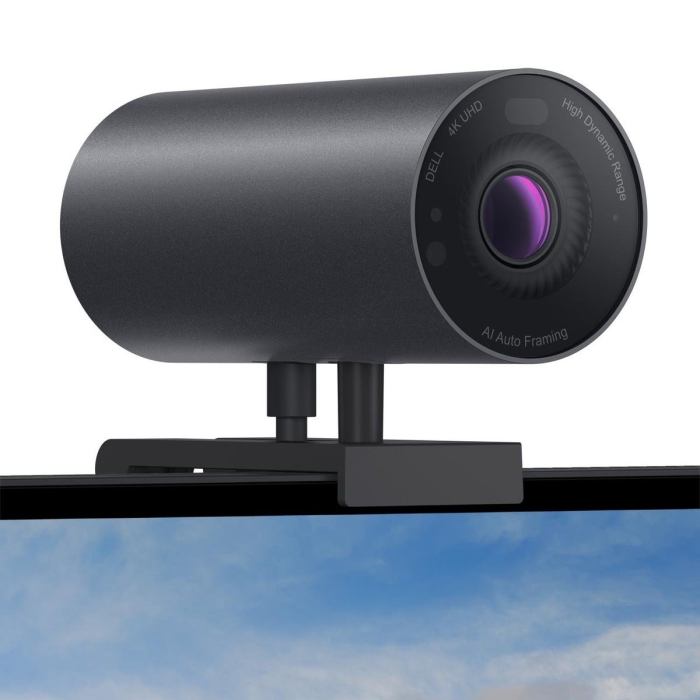
Webcam effects have rapidly evolved from simple filters to sophisticated augmented reality experiences, transforming how we interact with video calls, social media, and online presentations. This evolution has been driven by advancements in technology and the growing demand for more engaging and visually appealing online interactions. The proliferation of these effects reflects a broader trend of enhancing user experience and creativity in digital communication.The use of webcam effects is no longer confined to the realm of casual entertainment.
Businesses are leveraging them for virtual events and product demonstrations, and creators are using them to express their individuality and artistic flair. The seamless integration of these features into video conferencing platforms and social media applications further underscores their increasing importance in the digital landscape.
Diverse Functionalities of Webcam Effects
Webcam effects encompass a wide range of functionalities, going beyond basic image adjustments. They can drastically alter the appearance of a user, adding visual enhancements like filters, beauty modes, and even AR overlays. These effects cater to a diverse range of user needs, from enhancing personal appearance to creating visually engaging content. For example, a user might use a filter to mimic a vintage look or a beauty mode to smooth skin imperfections.
Evolution of Webcam Effects
The evolution of webcam effects is a testament to technological progress. Early webcam effects primarily focused on simple filters, offering basic color adjustments and aesthetic enhancements. However, as technology advanced, these effects expanded to incorporate more sophisticated features, including augmented reality (AR) overlays. Today, users can superimpose virtual objects, characters, and environments onto their video feeds, creating entirely new interactive experiences.
The rise of ARKit and ARCore platforms has further facilitated the development of complex AR experiences within webcam applications. The availability of high-speed internet and powerful processing capabilities has made these sophisticated effects more accessible to a broader audience.
Categories of Webcam Effects
Webcam effects are broadly categorized into several distinct groups, each offering a unique set of functionalities.
- Filters: Filters are pre-programmed visual effects that alter the color, tone, and overall aesthetic of a video feed. They can range from basic color adjustments to more elaborate artistic styles, such as sepia, black and white, or vintage tones. Filters can be applied to enhance the visual appeal of a video call or create a particular mood for online presentations.
- Beauty Modes: Beauty modes are a specialized subset of filters that aim to enhance the appearance of the subject. They typically include features such as skin smoothing, blemish removal, and brightness adjustments. These effects are often used to improve the perceived quality of a video call or social media post, aiming for a more polished and aesthetically pleasing presentation.
- AR Overlays: Augmented reality (AR) overlays allow users to superimpose virtual objects, characters, or environments onto their video feed. This technology adds an interactive and engaging dimension to webcam experiences. Users can, for instance, place virtual hats, glasses, or even entire virtual worlds on top of their live video, transforming their online presence into a creative playground.
Examples of Webcam Effects in Use
Examples of webcam effects in use are ubiquitous across various online platforms. Social media platforms, such as Instagram and TikTok, extensively use these effects to enhance user engagement and creativity. In addition, virtual meetings and presentations have incorporated these effects to add a touch of personality and visual appeal. Furthermore, these features are utilized for online gaming and e-commerce, allowing users to express themselves and showcase their style in an interactive way.
The impact of these effects on communication and online presence is significant and rapidly evolving.
Types of Webcam Effects
Webcam effects have rapidly evolved, transforming the way we interact and present ourselves online. Beyond simple image adjustments, these effects now encompass a wide array of functionalities, catering to diverse needs, from enhancing professional appearances to fostering creative expression. Understanding the different types and their underlying mechanics is key to harnessing their potential effectively.Various webcam effects are designed to address specific needs.
Some focus on enhancing visual appeal, while others aim to introduce creative elements or evoke particular moods. The technical implementations of these effects vary considerably, from simple color adjustments to sophisticated augmented reality (AR) integrations. This analysis delves into the diverse categories of webcam effects, exploring their individual strengths and limitations.
Appearance Enhancement Effects
These effects primarily focus on improving the user’s visual representation, aiming for a more polished and professional online presence. Techniques include automated smoothing of skin texture, adjustments to lighting, and color correction. These enhancements often utilize algorithms that analyze facial features and apply targeted modifications. Sophisticated algorithms can even dynamically adjust the lighting and color based on the user’s environment, ensuring a consistent and appealing presentation across diverse settings.
The user often has control over the intensity of these effects, tailoring the level of enhancement to their preference.
Creative Effects
These effects prioritize artistic expression and experimentation. They can include filters that transform the appearance of the user’s image, adding artistic styles like vintage or monochrome. Filters can alter the color palette, sharpen or blur details, or even simulate specific lighting conditions. Further, these effects may introduce abstract patterns or textures, providing a canvas for creative self-expression.
The creative potential of these effects is vast, allowing users to experiment with different styles and explore their visual identities.
Mood-Setting Effects
Mood-setting effects aim to convey specific emotions or atmospheres. These can include filters that simulate a particular time of day, like a sunrise or sunset, or an environment, such as a beach or a forest. Alternatively, effects might add subtle glows or color gradients, influencing the overall ambiance of the video stream. For example, a soft, warm filter can project a sense of intimacy, while a vibrant, energetic filter can create an upbeat atmosphere.
These effects are often used in video calls, online presentations, or live streams to enhance the emotional impact of the interaction.
Augmented Reality (AR) Effects
AR effects are increasingly popular, allowing users to superimpose digital elements onto their real-world surroundings. These overlays can range from virtual accessories and headwear to virtual environments or animated characters. The integration of AR effects involves sophisticated tracking algorithms that identify and locate facial features in real-time, enabling precise placement and movement of the overlayed objects. This technology also allows for interactions with the virtual elements, adding interactivity to the experience.
For instance, a user might adjust the size or position of a virtual accessory. The realism of these effects continues to improve, enhancing the immersive experience.
Comparison of Effect Types
| Effect Type | Strengths | Weaknesses |
|---|---|---|
| Appearance Enhancement | Improved visual appeal, professional presentation | Potential for over-processing, loss of natural features |
| Creative Effects | Artistic expression, unique visual identity | May distract from the core message, potentially overwhelming |
| Mood-Setting Effects | Enhance emotional impact, set specific atmospheres | May not be suitable for all situations, potentially inappropriate |
| AR Effects | Immersive experience, interactive elements | Technical limitations, potential for lag or distortion |
Implementation and Usage
Webcam effects, from subtle filters to dramatic transformations, are increasingly integral to online communication. Their implementation spans diverse platforms, from personal computers to social media, each requiring tailored approaches for optimal performance and user experience. This section details the practical application of these effects in various online contexts.Implementing webcam effects involves a multi-faceted approach, ranging from the selection and application process within the software to the technical considerations behind platform compatibility.
Different platforms present distinct challenges and opportunities for effect integration, which will be examined in detail.
Desktop Implementation
Desktop applications often offer a dedicated interface for applying webcam effects. This typically involves a user interface (UI) with intuitive controls, such as sliders for adjusting intensity, presets for pre-defined looks, and toggles for enabling and disabling effects. The UI elements often include thumbnails or previews of the effects, allowing users to visualize the changes before applying them in real-time.
These tools are commonly found within video conferencing software, screen recording applications, and dedicated webcam effect editors.
Mobile Implementation
Mobile devices, due to their diverse operating systems and hardware capabilities, have different methods for applying webcam effects. Mobile apps frequently leverage the device’s camera API to modify the video stream in real-time. The user interface, often streamlined for touchscreens, might involve tapping icons or swiping through filter options. This approach necessitates careful consideration of battery life and processing power to ensure a smooth user experience.
Furthermore, mobile applications often integrate with social media platforms, seamlessly enabling users to share their effects-enhanced videos directly.
Social Media Integration
Social media platforms often integrate webcam effects through dedicated features within their live streaming or video chat functionalities. This integration allows users to share their enhanced video content directly on their profiles. The user interface for selecting and applying effects can vary significantly depending on the platform. Some platforms provide a curated selection of filters and effects, while others might require downloading third-party apps for a broader range of options.
The choice of effects often hinges on the platform’s user base and the popularity of trending visual styles.
User Interface Elements
The user interface for selecting and applying webcam effects is crucial for a positive user experience. Effective interfaces typically include:
- Previews: Visual previews of the effect on the webcam feed allow users to gauge the impact of the chosen filter before applying it.
- Control sliders: Adjusting intensity or other parameters, like brightness and contrast, allows users to fine-tune the effect to their liking.
- Preset options: Predefined sets of effects allow users to quickly apply popular looks or themes.
- Effect categories: Categorizing effects, such as beauty, artistic, or comedic, allows users to quickly locate desired styles.
These elements contribute to intuitive navigation and facilitate user interaction.
Video Conferencing, Live Streaming, and Online Meetings
Webcam effects can enhance video conferencing, live streaming, and online meetings in numerous ways. Applying effects can personalize the visual presentation, creating a more engaging experience for both the user and the audience.
- Video Conferencing: Effects can help individuals feel more presentable during virtual meetings, boosting confidence and improving communication.
- Live Streaming: A variety of effects can make live streams more visually appealing and captivating, drawing more viewers.
- Online Meetings: Effects can help to liven up the online meeting environment, promoting better participation and engagement.
These applications require the seamless integration of effects within the video conferencing platform or streaming software.
Technical Aspects
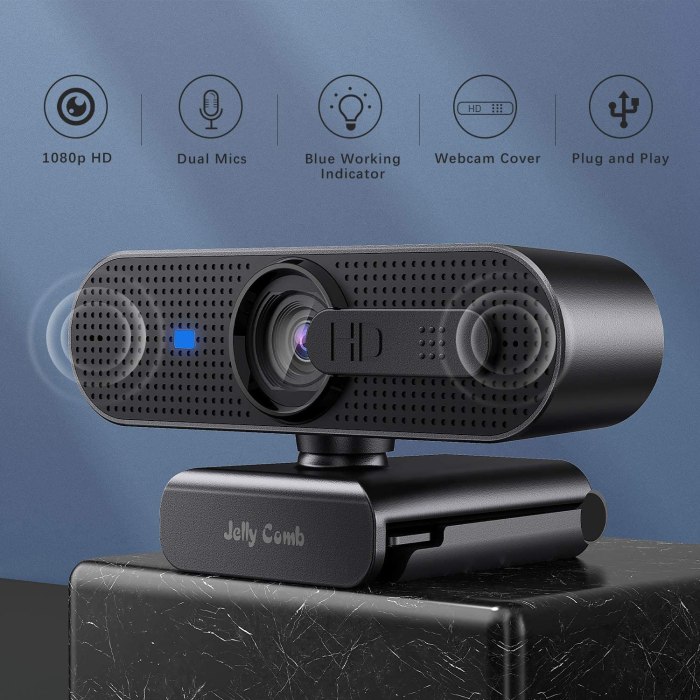
Real-time webcam effects rely on sophisticated image processing and hardware/software integration. The efficiency of these effects hinges on the speed and accuracy of algorithms that manipulate the video stream, requiring careful consideration of computational resources and potential latency. Understanding these technical aspects is crucial for developers seeking to create seamless and responsive webcam experiences.Image processing algorithms form the core of webcam effect implementation.
These algorithms are often complex, requiring substantial computational power for real-time execution. The choice of algorithm significantly impacts the quality and performance of the effect, influencing everything from the visual fidelity to the overall user experience.
Image Processing Algorithms
Various image processing techniques are used to apply effects to webcam feeds. These include filtering, color adjustments, object detection, and more. Understanding the specifics of each technique is essential for optimizing performance and controlling output quality. For instance, a simple color adjustment algorithm might alter pixel values to enhance or diminish specific color ranges, while a more complex algorithm could involve object recognition to dynamically apply effects based on detected objects in the frame.
Real-Time Processing
Real-time processing of webcam feeds demands efficient algorithms and robust infrastructure. The webcam feed is continuously captured and processed, with effects applied frame by frame. High-performance hardware, such as GPUs, is often employed to accelerate the processing of large volumes of data. Modern computer architectures are designed with parallel processing in mind to handle the speed demands of real-time applications.
The system must efficiently manage the data stream and handle computational loads to maintain a smooth user experience.
Hardware Requirements
The hardware requirements for webcam effects vary based on the complexity of the effects and the desired frame rate. For simple effects, a standard desktop or laptop configuration may suffice. However, complex effects, like those involving sophisticated image processing or 3D modeling, may require more powerful hardware, including high-end graphics processing units (GPUs). The processing power of the CPU and GPU directly impacts the performance of real-time effect application.
Software Dependencies
Various software libraries and frameworks support the development of webcam effects. Libraries for image processing, such as OpenCV, are commonly used for their efficiency and extensive functionalities. Programming languages like Python, with its vast ecosystem of libraries, are popular choices for developing webcam applications. Specific libraries for handling video streams, and user interfaces, are often necessary to create a complete application.
Integration of these libraries and frameworks with the chosen programming language is critical for seamless implementation. Furthermore, specific software for handling real-time video streaming, or video capture from a webcam, might be necessary.
Design Considerations for Webcam Effects
Crafting compelling webcam effects demands a nuanced approach, considering not only aesthetic appeal but also practical factors like user experience, performance, and compatibility. A poorly designed effect can quickly frustrate users, diminishing the overall value proposition of the platform. Therefore, careful consideration of these elements is paramount for success.Effective webcam effects transcend mere visual embellishment; they enhance user engagement and interaction, creating a more immersive and enjoyable experience.
By prioritizing user-centric design principles, developers can create effects that seamlessly integrate into the user workflow, enriching the digital experience without compromising performance.
User Experience Factors
Designing intuitive and user-friendly interfaces is critical for effective webcam effects. Users should easily navigate effect selection and customization options. Clear visual cues and concise instructions minimize user frustration and maximize engagement. Providing helpful tooltips or interactive tutorials further enhances the user experience. Testing the interface with diverse user groups and gathering feedback are crucial for refining the user experience.
Performance Optimization
Real-time processing is a key factor in the effectiveness of webcam effects. Optimizing the algorithms and code for speed and efficiency is essential to avoid lag or interruption during video transmission. Minimizing processing demands on both the user’s device and the server ensures smooth and seamless performance. Using efficient image processing libraries and leveraging hardware acceleration can significantly improve performance.
The effect should be light on system resources to prevent slowdowns or freezing.
Compatibility and Accessibility
Ensuring broad compatibility across different operating systems, browsers, and devices is crucial. This includes considering various hardware configurations, webcam resolutions, and network conditions. Accessibility features, such as adjustable brightness or contrast, are important to cater to a wider audience and maintain a positive user experience. Robust testing across different platforms and devices is essential to mitigate potential compatibility issues.
Aesthetic Principles
Creating visually appealing effects requires adherence to specific aesthetic principles. A consistent visual style enhances the overall aesthetic appeal of the platform. Employing a cohesive color palette, typography, and graphic elements across all effects promotes a unified visual identity. Experimenting with diverse visual styles and feedback from users will result in creating unique and engaging effects.
User Feedback Integration
Incorporating user feedback throughout the design process is paramount. This includes actively seeking feedback through surveys, focus groups, and direct user interaction with the effects. Regularly evaluating user engagement metrics, such as usage frequency and interaction time, provides valuable insights into user preferences. Gathering feedback early and often allows for iterative improvements, ensuring that the final product aligns with user needs and expectations.
Examples of Design Considerations
| Design Consideration | Impact on Users |
|---|---|
| Intuitive interface | Reduced user frustration, increased engagement |
| Performance optimization | Smooth video transmission, minimized latency |
| Broad compatibility | Wider user base, increased platform adoption |
| Aesthetic appeal | Enhanced visual experience, improved user satisfaction |
Creative Applications of Webcam Effects
Webcam effects, once relegated to simple filters, are rapidly evolving into powerful tools for artistic expression and creative communication. Their accessibility and versatility allow users to transcend the limitations of traditional media, opening doors for innovative applications in various creative fields. From enhancing video editing to creating engaging social media content, webcam effects are transforming how we interact with visual storytelling.Beyond mere aesthetics, webcam effects can dramatically alter the narrative and emotional impact of a video or presentation.
By strategically applying these effects, creators can subtly influence viewer perception and evoke specific responses. This evolving capability makes webcam effects a crucial element for anyone seeking to elevate their creative endeavors.
Innovative Artistic Expression
Webcam effects offer a wide range of possibilities for artistic expression, moving beyond simple filters. Artists can use these effects to create surreal and abstract imagery, pushing the boundaries of traditional visual representation. Imagine a painter using a webcam effect to distort their brushstrokes, producing a dynamic and unpredictable result. Similarly, a musician might employ effects to transform their performance into a visual spectacle, syncing the effects with the music for a captivating live stream experience.
The possibilities are truly limitless.
Video Editing Enhancements
Webcam effects can be seamlessly integrated into video editing workflows. By adding effects during post-production, creators can enhance the visual appeal of their videos, adding unique and dynamic elements to existing footage. This allows for greater control over the overall aesthetic and emotional impact of the final product. For example, a documentary filmmaker might use webcam effects to subtly highlight specific elements of a scene or to add a sense of mystery or intrigue to a narrative.
Social Media Integration
Social media platforms are leveraging webcam effects to create engaging and interactive content. Users can now apply these effects to live streams, video posts, and even static images, enhancing their visual appeal and encouraging viewer engagement. This can lead to a significant increase in viewership and interaction, as users are drawn to visually compelling content. Consider a fashion influencer using webcam effects to showcase new clothing lines in an innovative and captivating way, or a gaming streamer using effects to add a unique visual layer to their gameplay.
Interactive Creative Scenarios
Webcam effects enable a multitude of interactive creative scenarios. For instance, a virtual reality experience could leverage webcam effects to respond to user actions in real-time, creating a truly immersive and dynamic environment. Imagine a virtual museum exhibit where the lighting and colors change based on the user’s gaze, or a collaborative art project where multiple users can apply effects in real-time to a shared webcam feed.
Such applications can lead to unique and unprecedented artistic experiences.
Integration with Other Technologies
Webcam effects are no longer confined to simple cosmetic enhancements. Their integration with advanced technologies like artificial intelligence (AI) and augmented reality (AR) is dramatically expanding their potential applications, transforming them from mere filters into powerful tools for communication, creativity, and even professional use. This integration unlocks sophisticated features and capabilities, enabling unprecedented levels of interaction and engagement.The convergence of webcam effects with AI and AR technologies empowers users to achieve levels of personalization and interactivity previously unimaginable.
AI algorithms, for instance, can analyze facial expressions and adjust effects dynamically, creating a more natural and engaging experience. AR overlays can transport users to virtual environments, adding another layer of immersion to communication and entertainment.
AI Integration
AI algorithms are crucial in enhancing webcam effects by enabling dynamic adjustments based on real-time user input. This real-time feedback loop allows for more natural and sophisticated results. For instance, an AI-powered effect might adjust the intensity of a virtual filter based on facial expressions, ensuring that the effect seamlessly integrates with the user’s natural appearance. This real-time interaction provides a far more immersive and engaging experience compared to static filters.
Furthermore, AI can identify and categorize objects in the background, enabling targeted effects that enhance the scene without disrupting the user’s foreground presence. This precision is critical for applications like virtual meetings or online education, ensuring a more professional and focused experience.
Augmented Reality Integration
Augmented reality (AR) overlays allow for the integration of virtual elements into the real world, creating dynamic and interactive experiences. Combining AR with webcam effects enables users to interact with virtual environments and objects in a more immersive way. This integration can significantly enhance online gaming, virtual try-on experiences, and even educational tools. For example, a virtual museum exhibit could be overlaid onto a user’s webcam feed, offering an interactive and engaging experience without the need for physical presence.
This integration with AR is already proving useful in remote collaborations, enabling participants to feel more engaged and connected.
Combination with Other Tools and Platforms
Webcam effects can be seamlessly integrated with other tools and platforms to extend their functionality and reach. For example, integration with video conferencing platforms allows for the application of effects directly within the meeting environment. This could enhance the presentation style or create a more engaging atmosphere. Similarly, social media platforms can leverage webcam effects to enhance user engagement and creativity.
Integrating effects directly into the platform allows users to instantly apply filters and overlays to their live streams, photos, and videos, leading to increased user participation and content richness.
Examples of Integration
Many companies are already incorporating AI and AR into their webcam effects tools. For example, a video conferencing platform might offer AI-powered background replacement and dynamic facial recognition features to tailor the user experience. Similarly, a gaming platform might use AR overlays to create virtual worlds that users can interact with through their webcam, creating more immersive gaming experiences.
These examples highlight the growing trend of integrating webcam effects with broader technological ecosystems, showcasing the potential for enhanced user experiences and engagement.
Security and Privacy Concerns
Webcam effects, while fun and engaging, introduce new layers of security and privacy concerns, especially in the online sphere. The integration of these effects with personal devices and online platforms necessitates careful consideration of data protection and potential vulnerabilities. Users need to understand the potential risks associated with the data collection and processing practices employed by the platforms offering these effects.The digital landscape is increasingly complex, and user data is a valuable commodity.
As webcam effects become more sophisticated, the potential for malicious actors to exploit these technologies for personal gain or to infringe on user privacy becomes a real threat. Users must adopt a proactive approach to understanding and mitigating these risks to maintain control over their personal information.
Security Implications of Webcam Effects
The security implications of webcam effects are multifaceted and require careful scrutiny. The processing of real-time video feeds for effects can expose vulnerabilities if not implemented securely. Malicious actors could potentially exploit vulnerabilities in the software or hardware to access or manipulate personal data. This includes not only the video stream but also any associated metadata, such as timestamps or location data, which may inadvertently be transmitted or stored.
Privacy Risks Associated with Data Collection and Processing
Webcam effects often involve the collection and processing of user data. This data can range from the video stream itself to user interactions with the effects interface. Platforms offering these effects may collect and store this data for various purposes, including improving the quality of the effects, personalizing user experiences, or even generating insights into user behavior. Users must be aware of what data is being collected and how it will be used to make informed decisions about their participation.
Protecting Personal Information When Using Webcam Effects
Users can mitigate the privacy risks associated with webcam effects by implementing robust security measures. Using strong passwords, enabling two-factor authentication, and regularly updating software are essential security practices. Users should carefully review the terms of service and privacy policies of the platforms providing webcam effects, paying close attention to data collection and usage practices. Critically, users should exercise caution in sharing sensitive information or engaging in activities that could expose their personal data while using these effects.
Avoid using effects on platforms with questionable security practices or a lack of transparency regarding data handling. Choosing platforms that prioritize user privacy and employ robust encryption protocols can significantly reduce risks. Furthermore, users should carefully review any permissions granted to applications or services, understanding what data access is requested and why.
Future Trends in Webcam Effects
The evolution of webcam effects is poised for a dramatic shift, driven by advancements in artificial intelligence (AI) and augmented reality (AR). These technologies are poised to transform how we interact online, impacting everything from virtual meetings to social media engagement. Expect a future where webcam effects seamlessly blend the physical and digital worlds, offering a richer, more engaging online experience.
AI-Powered Real-Time Enhancement
AI is revolutionizing webcam effects, enabling real-time, sophisticated enhancements. AI algorithms can analyze facial expressions, body language, and even environmental factors to dynamically adjust effects. This translates to more natural-looking and responsive virtual avatars and filters. For example, AI-driven background replacement can now adapt to changing scenes in real-time, maintaining seamlessness even when the user moves around. This technology also has potential for accessibility, allowing individuals with limited mobility to interact more naturally in virtual environments.
Augmented Reality Integration
AR integration will push the boundaries of webcam effects, creating immersive and interactive experiences. AR filters will become more sophisticated, allowing users to overlay virtual objects, landscapes, and even entire environments onto their webcam feed. Imagine virtual makeup trials, interactive gaming experiences, or exploring historical landmarks without leaving your home. This will necessitate advancements in camera technology and computing power to handle the increased data processing demands.
Personalized and Adaptive Effects
The future of webcam effects will embrace personalization. AI-driven systems will learn user preferences, adapting effects to individual tastes. Imagine a system that anticipates your desired look and applies the appropriate filters and adjustments in real-time, creating a seamless and personalized online presence. This personalization will also extend to specific use cases, tailoring the experience to different platforms and activities, such as online learning or professional meetings.
Dynamic and Interactive Environments
Webcam effects will increasingly create dynamic and interactive environments. This could include virtual backgrounds that react to user movements or audio cues, or effects that dynamically adjust based on the user’s location or activity. Imagine a virtual meeting room that changes its appearance based on the time of day or the user’s location. This dynamic interactivity will require advanced software and hardware, but the potential for immersive experiences is significant.
Timeline of Anticipated Developments
| Year | Development | Implications |
|---|---|---|
| 2024-2026 | Enhanced AI-driven facial recognition and expression analysis. | Improved naturalness and responsiveness of virtual avatars. |
| 2026-2028 | Integration of advanced AR features with dynamic and interactive environments. | Increased user immersion and engagement in virtual interactions. |
| 2028-2030 | Personalized and adaptive webcam effects based on user behavior and preferences. | Enhanced user experience and customization in various online platforms. |
These are just a few potential trends, and the actual pace and trajectory of developments will depend on various factors, including technological advancements and user adoption rates. The potential is vast, and the impact on how we interact online is undeniable.
Examples of Different Webcam Effects
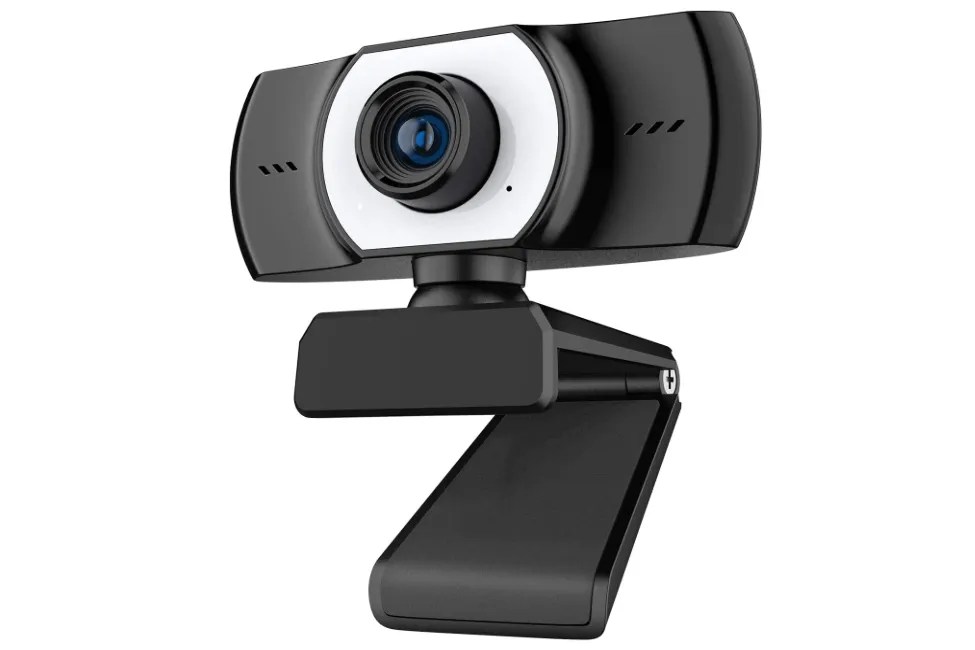
Webcam effects, from simple filters to sophisticated augmented reality overlays, are rapidly transforming how we interact online. Their applications span from enhancing video calls to creating engaging social media content. Understanding the diverse range of effects and their functionalities is crucial for navigating this evolving digital landscape.
Different Webcam Effects and Their Functionalities
Webcam effects cater to a broad spectrum of user needs and creative aspirations. They can subtly enhance appearance or drastically alter the visual experience. This table provides a snapshot of different effects and their applications:
| Effect Name | Description | Example Use Case | Platform |
|---|---|---|---|
| Face Filters | Modify facial features, add accessories, or change expressions. | Enhancing video calls, creating fun social media posts. | Desktop, Mobile, Social Media |
| Background Replacement | Swap the background of a video call or live stream with a virtual backdrop. | Creating a professional appearance by using a virtual office background or changing the background to a scenic location. | Desktop, Mobile, Social Media |
| Augmented Reality (AR) Filters | Superimpose digital objects or characters onto the user’s video feed. | Adding virtual props to a live stream or video call, trying on virtual clothes or makeup. | Mobile, Social Media |
| Animation Effects | Apply animated overlays, stickers, or special effects to the video feed. | Creating dynamic content for social media posts, adding visual interest to video calls. | Desktop, Mobile, Social Media |
| Color Filters | Adjust the color palette of the video feed to enhance or alter the visual mood. | Creating artistic video content or enhancing the aesthetics of a live stream. | Desktop, Mobile, Social Media |
Webcam Effects Across Platforms
The availability and types of webcam effects vary across different platforms. Desktop applications typically offer a more extensive range of customization options, while mobile platforms often prioritize user-friendly interfaces and a wider variety of AR filters. Social media platforms leverage webcam effects to drive engagement and facilitate interactive content creation.
| Platform | Effect Type Examples |
|---|---|
| Desktop (Zoom, Google Meet) | Background replacement, face filters, basic animations. |
| Mobile (Snapchat, Instagram) | Augmented reality filters, animations, face filters, stickers. |
| Social Media (TikTok, Facebook) | AR filters, animations, face filters, stickers, live-streaming effects. |
Comparative Analysis of Webcam Effect Tools
The proliferation of webcam effects tools has created a dynamic marketplace, catering to diverse needs from casual users to professional creators. Navigating this landscape requires a clear understanding of the strengths and weaknesses of various platforms. This analysis will delve into the comparative capabilities of different webcam effect tools, considering key factors such as features, pricing, and platform compatibility.The choice of a webcam effect tool is heavily influenced by individual use cases and technical proficiency.
A beginner might prioritize ease of use and a free option, while a professional might seek advanced features and extensive customization. This comparison seeks to clarify the options available, facilitating informed decisions based on specific requirements.
Comparison of Webcam Effect Tools
Understanding the nuances of each tool is crucial for optimal performance and value. The table below provides a comparative overview of three prominent webcam effect tools, highlighting their key attributes.
| Tool | Features | Price | Platform |
|---|---|---|---|
| Tool 1 (Example) | Real-time filters, augmented reality overlays, customizable background replacement, video editing capabilities, integrations with social media platforms. | Freemium (Basic features free, advanced features require subscription) | Web browser (Chrome, Firefox), iOS, Android |
| Tool 2 (Example) | Advanced facial recognition and tracking, extensive library of pre-made effects, professional-grade video editing tools, 3D model integration. | Subscription-based (Varying tiers based on features) | Web browser (Chrome, Firefox), desktop applications for Windows and macOS |
| Tool 3 (Example) | Simple filter applications, basic background removal, limited AR features, easy-to-use interface. | Free | Web browser (Chrome, Firefox) |
Evaluation Criteria
The comparison considers crucial factors for effective evaluation of webcam effect tools. These factors include the breadth and depth of features, the pricing model, and platform availability.
- Features: The range of effects available significantly impacts the versatility of the tool. Real-time filters, background replacement, and augmented reality overlays are examples of common features. The sophistication and customization options within each feature are also essential considerations. More advanced tools might include facial recognition, 3D model integration, and extensive video editing capabilities.
- Pricing: Pricing models vary from free to subscription-based, with tiered options often offering greater feature access. The free model may come with limitations, while subscription models offer a broader array of options. Evaluating the value proposition against the price is crucial.
- Platform Compatibility: Accessibility across different platforms (web browser, mobile devices, desktop applications) is critical for broader user reach. Cross-platform compatibility ensures the tool is usable across diverse devices.
Strengths and Weaknesses of Each Tool
A comprehensive analysis necessitates an examination of the individual strengths and weaknesses of each tool. Tool 1, for instance, might excel in its integration with social media platforms, making it ideal for content creators. Tool 2, with its advanced features, may appeal to professionals seeking precise control and customization. Conversely, Tool 3’s simplicity might be advantageous for users with basic needs.
- Tool 1 (Example): This tool offers a strong balance between free and paid options, allowing for a flexible workflow. Its broad platform support and social media integrations provide extensive accessibility. However, the more advanced features may have limitations compared to dedicated professional tools.
- Tool 2 (Example): Its advanced features are suited for professional use, offering high-end customization and integration options. However, the subscription model may be a significant barrier for users with limited budgets.
- Tool 3 (Example): Its free nature and simplicity make it an excellent entry-level option for users looking for basic functionality. However, it might lack the sophistication and flexibility needed for more advanced applications.
Final Review
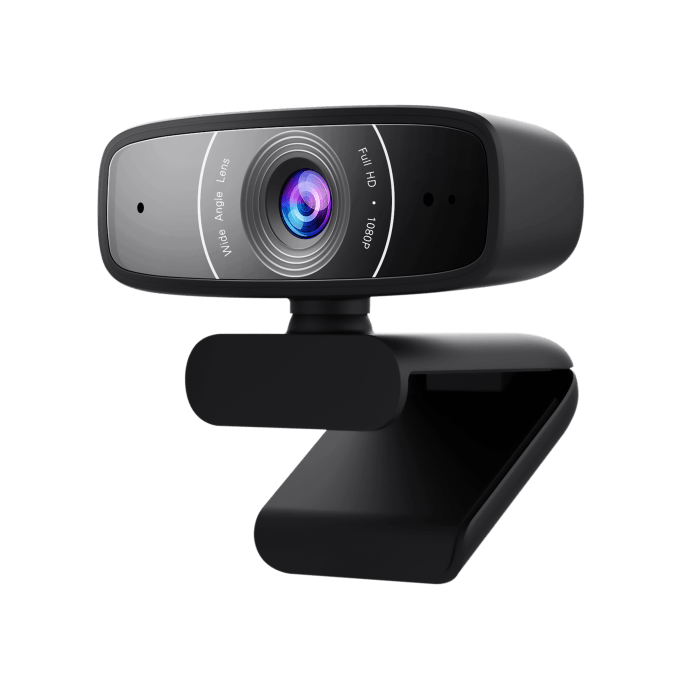
In conclusion, webcam effects are rapidly evolving, driven by technological advancements and creative applications. Their integration with AI and augmented reality promises even more sophisticated and immersive experiences in the future. However, careful consideration of security and privacy concerns is crucial as these effects become increasingly sophisticated. This comprehensive overview provides a framework for understanding the multifaceted nature of webcam effects and their transformative potential.
