
Vase arrangements transcend mere aesthetics; they’re powerful tools for expressing personality, crafting ambiance, and adding a touch of artistry to any space. From intimate home settings to grand event spaces, the art of arranging flowers in vases is a versatile practice, capable of conveying emotions and enhancing the overall visual appeal of any environment.
This guide delves into the intricacies of vase arrangement, covering everything from selecting the perfect vase to mastering creative techniques and maintaining your floral masterpieces. We’ll explore the key elements that contribute to a stunning arrangement, including the crucial relationship between flower type and vase shape, and provide practical advice for achieving long-lasting beauty.
Introduction to Vase Arrangements
Vase arrangements, a timeless art form, transcend mere practicality. They are more than just collections of flowers; they are carefully crafted expressions of artistry and sentiment. From the intimate setting of a home to the grandeur of a corporate event, vase arrangements play a significant role in enhancing aesthetics and conveying messages. The artistry lies in selecting the right flowers, vases, and foliage to create a harmonious and visually engaging display.
Their impact extends beyond simple beauty, reflecting taste, occasion, and even cultural nuances.The effectiveness of a vase arrangement depends heavily on the principles of visual balance, color coordination, and the thoughtful selection of materials. A well-designed arrangement can elevate the ambiance of a space, while a poorly executed one can detract from it. This introduction will explore the fundamental aspects of vase arrangement design, including the various types of vases and their suitability for specific flower types.
Defining Vase Arrangements
Vase arrangements are the art of arranging flowers, foliage, and other decorative elements within a vase to create a visually appealing and often symbolic display. They are a dynamic and versatile form of decorative art, offering opportunities for creativity and personal expression.
Significance of Vase Arrangements
Vase arrangements hold significant value across diverse contexts. In the home, they add a touch of elegance and personality. In gifting, they serve as thoughtful expressions of appreciation or congratulations. At events, they contribute to a memorable atmosphere, from subtle table decorations to grand centerpieces.
Basic Principles of Visually Appealing Arrangements
Visual appeal in vase arrangements stems from a combination of factors. Balance, achieved through the careful placement of flowers and foliage, is paramount. Color coordination, where complementary and contrasting colors are used harmoniously, creates visual interest. Texture variation, achieved by incorporating different flower shapes and foliage, adds depth and visual complexity to the arrangement. Finally, the selection of appropriate materials, including the vase and its form, directly impacts the arrangement’s overall impact.
Types of Vases and Their Suitability
| Vase Type | Material | Suitable Flower Types | Description |
|---|---|---|---|
| Classic Round Vase | Glass | Roses, Lilies, Daisies | Versatile, works well with a wide range of flowers, their round shape often complements the natural curves of many blooms. |
| Tall Cylinder Vase | Ceramic | Calla Lilies, Orchids, Gladioli | Ideal for showcasing tall flowers, creating a graceful and elegant look. |
| Low, Wide Bowl Vase | Metal | Ranunculus, Peonies, Hydrangeas | Excellent for displaying blooms with a fuller, more substantial form, creating a sense of abundance and warmth. |
| Unique, Shaped Vase | Glass, Ceramic, or Metal | Succulents, Grasses, Eucalyptus | Suitable for showcasing more modern or minimalist arrangements. The unique shape can become a focal point in itself. |
The table above illustrates the relationship between vase type, material, and suitable flower types. This is a starting point; the ultimate choice depends on the specific aesthetic vision and the desired effect.
Choosing the Right Vase
Selecting the right vase is crucial to a successful flower arrangement. It’s not just about aesthetics; the vase’s shape, size, and material significantly impact the overall presentation and harmony of the floral display. A well-chosen vase complements the flowers, drawing attention to their beauty and creating a cohesive visual narrative.The relationship between the vase and the flowers is symbiotic.
A thoughtfully selected vase can enhance the flowers’ natural elegance, while a poorly chosen one can detract from their beauty. Careful consideration of factors like shape, size, color, and material ensures the vase doesn’t overshadow or diminish the flowers’ inherent appeal.
Factors to Consider When Choosing a Vase
The appropriate vase selection hinges on several key factors. These include the flower type, the desired visual impact, and the overall aesthetic of the surrounding décor. A thoughtfully chosen vase enhances the overall presentation and harmonizes the floral display.
Relationship Between Vase Shape and Flower Type
The shape of the vase plays a crucial role in highlighting the characteristics of the flowers. A tall, slender vase is ideal for long-stemmed flowers like lilies or gladioli, emphasizing their verticality. Conversely, a wide, shallow vase is more suitable for bouquets of shorter blooms like roses or tulips, allowing the flowers to cascade and spread gracefully.
Vase Styles and Their Visual Impacts
Different vase styles evoke distinct visual impressions. Tall and slender vases create a sense of height and elegance, perfect for showcasing long-stemmed flowers. Wide and shallow vases, on the other hand, offer a more relaxed and inviting atmosphere, suitable for displaying shorter blooms. Consider the following vase styles and their visual impacts:
- Tall and Slender Vases: These vases, often cylindrical or tapered, create a sense of verticality and height, ideal for showcasing flowers with long stems. They often work well with arrangements that emphasize a linear or graceful design, especially with flowers like lilies or orchids.
- Wide and Shallow Vases: These vases, frequently bowl-shaped or shallow, offer a sense of spaciousness and a relaxed atmosphere. They are perfect for displaying flowers with shorter stems, allowing for a more diffused and less formal arrangement. Roses, peonies, and tulips can be arranged beautifully in this style.
- Round Vases: Round vases are versatile and can complement various flower types. They offer a more organic and rounded aesthetic, often suitable for bouquets with a mixture of flower heights and textures.
- Unique and Decorative Vases: These vases often feature intricate designs or textures, providing a distinctive focal point. Their artistic appeal can add character to an arrangement, particularly when the design complements the flowers’ natural beauty. Vases with embellishments or carvings can make a strong statement in a modern or traditional setting.
Matching Vase to Surrounding Décor
Matching the vase to the surrounding decor creates a cohesive aesthetic. Consider the color palette, material, and overall style of the room when selecting a vase. A glass vase in a minimalist living room might contrast with a ceramic vase in a rustic setting.
Flower Selection and Preparation
Selecting the right flowers is crucial for a successful vase arrangement. Freshness, type, and color harmony are paramount to achieving a lasting and visually appealing display. Proper preparation, including stem trimming and leaf removal, significantly impacts longevity and aesthetic appeal. Understanding the nuances of flower care ensures the arrangement thrives.Proper flower selection and preparation are fundamental to achieving a lasting and visually appealing vase arrangement.
A well-chosen and correctly prepared bouquet can transform a simple display into a captivating centerpiece.
Flower Selection Criteria
Selecting fresh flowers is critical for a vibrant and long-lasting arrangement. Visual cues like firmness, color vibrancy, and the absence of wilting or discoloration are key indicators of freshness. Consider the flower’s natural form and how it complements the chosen vase. Matching the color palette of the flowers to the overall décor enhances the visual impact. Different flower types lend distinct characteristics to an arrangement.
Stem Preparation Techniques
Proper stem preparation is essential for optimal water absorption and flower longevity. Trimming the stems at an angle using a sharp knife or pruning shears is crucial. This technique increases the surface area exposed to water, facilitating better hydration. Removing lower leaves that would submerge in water prevents bacterial growth and decay, preserving the flowers’ freshness.
Extending Flower Life
Several techniques can extend the life of cut flowers beyond their typical vase lifespan. Using a floral preservative, available at most florists and craft stores, significantly extends the flowers’ life. These solutions contain chemicals that maintain water quality, preventing bacteria growth and extending the hydration process. Maintaining a consistent water level and temperature is essential. Cool temperatures and a fresh water change every 2-3 days will maintain optimal conditions.
Avoid placing arrangements in direct sunlight or near heat sources, as these factors can accelerate the wilting process.
Flower Type Comparison
The following table compares different flower types based on their water absorption and longevity. Factors such as flower type, stem structure, and water absorption rate influence the arrangement’s lifespan.
| Flower Type | Water Absorption Rate | Longevity (Days) | Care Considerations |
|---|---|---|---|
| Roses | High | 5-7 | Regular water changes and preservative use are recommended. |
| Lilies | Medium | 7-10 | Avoid placing near fruit or vegetables, as ethylene gas emitted by them can shorten their life. |
| Tulips | High | 3-5 | Regular water changes are essential for maintaining freshness. |
| Hydrangeas | Low | 8-12 | They require more moisture and should be placed in a cool environment. |
Arrangement Techniques
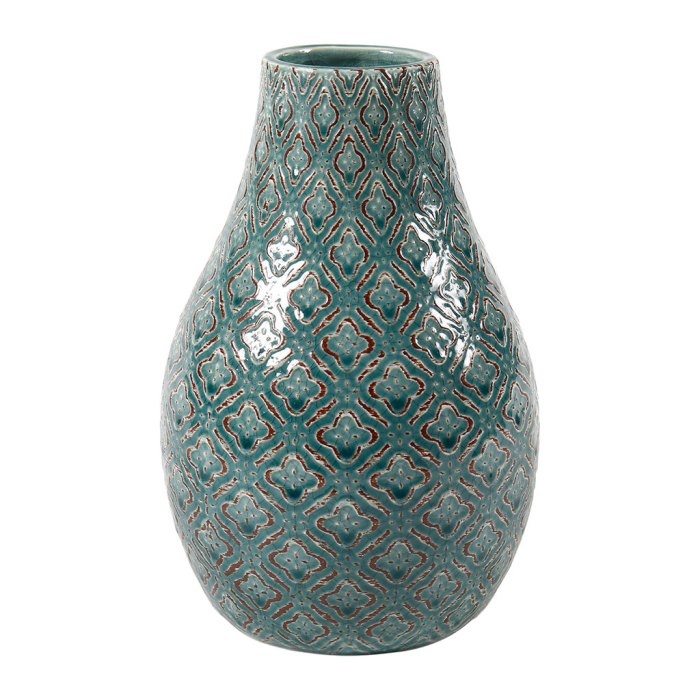
Mastering vase arrangement transcends mere aesthetics; it’s a craft that speaks volumes about artistry and precision. The chosen arrangement style, combined with skillful execution, dictates the overall impact and emotional resonance of the piece. Careful consideration of each element, from the flowers’ inherent beauty to the vase’s form, contributes to a cohesive and compelling composition.
Different Arrangement Styles
Various arrangement styles offer diverse visual narratives. Symmetrical arrangements, characterized by mirroring elements on either side of a central axis, evoke a sense of formality and balance. Asymmetrical arrangements, conversely, showcase a dynamic interplay of contrasting elements, creating visual interest and a sense of spontaneity. Informal arrangements often prioritize natural flow and a relaxed, unconstrained aesthetic.
Creating a Basic Vase Arrangement
A fundamental vase arrangement often begins with the selection of a suitable vase. Consider the vase’s shape and size in relation to the flowers and greenery you intend to incorporate. Once the vase is chosen, carefully trim the stems of the flowers, ensuring a consistent length to maintain an even look. Arrange the primary flowers in the vase, strategically positioning them to fill the vase and create visual interest.
Add greenery and fillers as supporting elements, using them to add texture and depth to the arrangement.
Focal Point Creation
A well-defined focal point elevates a vase arrangement from simple to stunning. The focal point is the dominant element that draws the viewer’s eye and holds their attention. This could be a particularly large or vibrant flower, a unique bloom, or an artistically arranged cluster of flowers. Strategically place the focal point within the vase, ensuring it’s prominent but not overwhelming.
Consider the interplay of colors and textures to accentuate the focal point, drawing attention to its unique characteristics.
Incorporating Greenery and Fillers
Greenery and fillers play a crucial role in enriching the overall aesthetic and texture of a vase arrangement. Greenery, such as ferns, eucalyptus, or ivy, adds depth and visual interest to the arrangement, often providing a contrasting texture and color to the flowers. Fillers, such as berries, seed pods, or decorative items, further enhance the arrangement’s complexity and visual appeal.
These elements help to create a cohesive and balanced composition. Carefully select fillers that complement the flowers and maintain a harmonious relationship with the overall theme of the arrangement. Incorporate them thoughtfully, ensuring they do not overshadow the flowers but rather serve as supporting elements. For instance, incorporating a few sprigs of eucalyptus with a cluster of roses will create a beautiful and balanced arrangement.
Creative Arrangement Ideas
Elevating a simple vase arrangement into a captivating centerpiece requires more than just selecting flowers. Strategic considerations of color, texture, and seasonal elements are key to crafting arrangements that resonate with the occasion and create a lasting impression. This section explores innovative approaches to vase arrangements, highlighting diverse examples for various events.The success of a vase arrangement hinges on a harmonious interplay of aesthetic elements.
Careful consideration of color palettes, textures, and shapes, alongside the integration of seasonal elements, transforms a basic floral display into a captivating work of art. The interplay of these factors is crucial in conveying the intended message and creating a truly memorable experience.
Elaborate Vase Arrangements for Different Occasions
A well-designed vase arrangement can be a powerful expression of emotion, be it for a joyous celebration or a heartfelt tribute. Different occasions call for distinct aesthetic approaches. For instance, a wedding arrangement might prioritize elegance and sophistication, while a birthday arrangement could lean toward vibrant colors and playful forms.
- Weddings: A wedding arrangement often emphasizes opulence and timeless beauty. A tall, slender vase filled with cascading blooms, featuring a variety of textures and colors, can create a breathtaking centerpiece. Roses, lilies, and hydrangeas, in shades of ivory, blush, and deep red, frequently appear in such arrangements, often accented with greenery for a touch of rustic charm.
Consider using a glass or crystal vase with intricate designs to further amplify the elegance.
- Birthdays: Birthday arrangements typically favor a vibrant and joyful aesthetic. A shorter, wider vase, perhaps with a playful design, can be filled with a multitude of flowers in complementary colors. Colorful sunflowers, gerberas, and tulips, paired with vibrant foliage, can create a cheerful and lively atmosphere. Adding decorative elements like ribbons or candles can further personalize the arrangement.
- Holidays: Holiday arrangements provide a platform for celebrating specific traditions and festive spirit. For Christmas, a decorated vase filled with pine branches, berries, and winter-blooming flowers, such as poinsettias or amaryllis, evokes the festive spirit. For Thanksgiving, a vase showcasing fall foliage, gourds, and autumn-hued flowers, like mums or dahlias, complements the harvest theme. The selection of colors and textures should align with the chosen holiday’s aesthetic.
The Role of Color Combinations in Vase Arrangements
Color combinations play a pivotal role in shaping the overall mood and impact of a vase arrangement. Harmonious color palettes evoke specific emotions and enhance the visual appeal of the display.
- Complementary Colors: These colors, located opposite each other on the color wheel, create a vibrant and energetic effect. For instance, a combination of red roses and blue delphiniums can be strikingly beautiful. However, a balance is needed to prevent overwhelming the arrangement.
- Analogous Colors: These colors, situated next to each other on the color wheel, create a serene and calming atmosphere. A bouquet featuring various shades of pink, purple, and lavender in a clear vase, for example, creates a soft and romantic ambiance.
- Monochromatic Colors: Using different shades of the same color generates a sophisticated and elegant arrangement. A bouquet of varying shades of pink roses in a tall vase, for instance, can create a subtle and stylish centerpiece.
Elaboration on the Use of Textures and Shapes in Vase Arrangements
The interplay of textures and shapes in a vase arrangement adds depth and visual interest. Different textures, from the velvety softness of a rose to the prickly firmness of a pine cone, create a dynamic composition.
- Variety in Textures: Combining flowers with varying textures, like the smoothness of hydrangeas and the velvety texture of roses, can create a rich and interesting visual experience. The inclusion of greenery, with its diverse textures, adds a natural element to the arrangement. Incorporating elements with different textures like rough bark or polished stones can add contrast and interest to the arrangement.
- Shapes and Forms: The shapes of the flowers and the vase itself play a crucial role. A tall, slender vase with cascading blooms can create a dramatic effect. A round vase filled with clustered blooms, on the other hand, can generate a softer and more intimate ambiance. Consider the visual weight and balance of each element when constructing the arrangement.
Incorporating Seasonal Elements into Arrangements
Seasonal elements can significantly enhance the visual appeal and relevance of a vase arrangement. Incorporating elements aligned with the season adds a layer of authenticity and depth to the display.
- Spring: Using delicate spring flowers like tulips, daffodils, and hyacinths, combined with fresh greenery, can evoke a sense of renewal and vibrancy. The soft pastel colors of spring blooms, alongside the lush greenery, create a soothing and revitalizing atmosphere.
- Summer: Summer arrangements often feature vibrant blooms, such as sunflowers, lilies, and dahlias. The incorporation of bright colors and lush greenery emphasizes the season’s warmth and energy. Using outdoor elements like herbs or greenery from the garden can complement the arrangement.
- Autumn: Autumn arrangements benefit from the use of warm, earthy colors and textures. Fall foliage, gourds, and autumn-colored flowers, such as mums or dahlias, complement the season’s changing colors. The inclusion of warm hues and natural elements creates a cozy and inviting ambiance.
- Winter: Winter arrangements typically incorporate winter-blooming flowers like poinsettias or amaryllis, along with evergreen branches, berries, and pinecones. The use of warm colors and the inclusion of elements evoking the season’s tranquility creates a serene and inviting atmosphere.
Maintaining Vase Arrangements
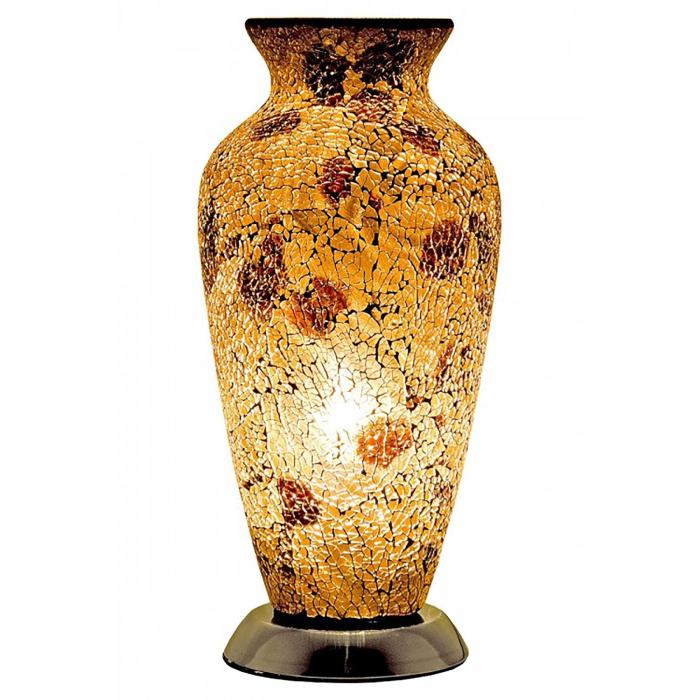
Proper vase maintenance is crucial for extending the life and beauty of floral arrangements. Neglecting these essential steps can lead to rapid wilting, bacterial growth, and a less aesthetically pleasing display. By understanding and implementing the right techniques, you can ensure your arrangements remain vibrant and attractive for days to come.
Preventing Flower Wilting and Bacterial Growth
Maintaining a clean and hygienic environment within the vase is paramount to preventing bacterial growth and flower wilting. Fresh water, changed regularly, is vital. Bacteria thrive in stagnant water, leading to the rapid deterioration of flowers. The accumulation of decaying organic matter, such as flower parts and microorganisms, further accelerates the process. Using a preservative solution or a commercial floral food, when applicable, can slow down the bacterial growth and enhance the longevity of the flowers.
Adjusting Water Levels in the Vase
Proper water level management is critical for maintaining the health and vitality of your arrangement. Regularly checking and adjusting the water level ensures that the flowers remain hydrated. Adding more water as needed prevents the stems from drying out and withering. The stems should be fully immersed in the water to facilitate proper hydration. A significant decrease in water level may indicate that the flowers are absorbing water at a faster rate than you are replenishing it.
Removing Wilted Flowers
Regular removal of wilted flowers is essential for maintaining the aesthetic appeal and health of the arrangement. Wilted flowers can attract bacteria and expedite the decay process, potentially contaminating the entire vase. Removing these flowers prevents the spread of bacteria and keeps the arrangement looking fresh. This process also helps to prevent the spread of bacteria that can quickly impact the entire arrangement.
The process involves carefully removing the wilted flowers from the vase, ensuring that you do not disturb the other flowers in the process. Use clean pruning shears or a sharp knife to cut the stems just below the wilted area. Thoroughly clean the cutting tools with rubbing alcohol to prevent cross-contamination.
Troubleshooting Common Problems
Maintaining the vibrancy and longevity of a vase arrangement requires proactive problem-solving. Ignoring issues like wilting flowers or bacterial growth can quickly diminish the aesthetic appeal and shorten the arrangement’s life. Understanding the common problems and their solutions empowers one to create and maintain stunning floral displays.
Flower Wilting
Flower wilting is a common issue in vase arrangements, often caused by dehydration or improper water quality. Factors like the flower’s variety, the vase’s size, and the temperature of the surrounding environment also play a role. Proactive measures are key to preventing wilting and maintaining a fresh, vibrant display.
- Proper Hydration: Ensure the vase is filled with enough clean, cool water. Adding floral preservatives or a specialized solution for cut flowers can help maintain moisture levels and prolong the life of the blooms.
- Cut Flower Preparation: Properly cutting the stems at a slant before placing them in the vase helps increase water absorption. This technique exposes more surface area for uptake, mitigating wilting.
- Temperature Control: Place the arrangement in a location that avoids direct sunlight or extreme temperatures. These conditions can accelerate the dehydration process and lead to wilting.
Bacterial Growth
Bacterial growth in vase water is another frequent problem, leading to a foul odor and discoloration. This microbial proliferation can rapidly compromise the health of the flowers.
- Regular Water Changes: Changing the water in the vase every one to two days is crucial for preventing bacterial buildup. This simple practice significantly reduces the risk of bacterial growth and maintains the cleanliness of the arrangement.
- Cleanliness: Ensure the vase and tools used for flower preparation are thoroughly cleaned to eliminate potential contamination. A diluted bleach solution or a specialized cleaner for floral arrangements can be used.
- Flower Selection: Choose flowers that are free from visible signs of damage or decay. Inspect the blooms carefully before incorporating them into the arrangement to minimize the risk of introducing bacteria.
Importance of Regular Water Changes and Removing Dead Flowers
Regular water changes and the removal of dead flowers are essential for maintaining the health and longevity of a vase arrangement. These actions prevent the accumulation of harmful bacteria and promote a fresh environment for the remaining flowers.
- Preventing Bacteria: Changing the water regularly removes bacteria and other microorganisms that thrive in stagnant water. This prevents the spread of decay and ensures the flowers stay healthy.
- Promoting Freshness: Dead flowers are a breeding ground for bacteria. Removing them promptly maintains the overall health and visual appeal of the arrangement.
Preventing Pests and Diseases
Pests and diseases can also compromise the health of vase arrangements. Preventing these issues through proper sanitation and selection can maintain a beautiful display.
- Sanitation: Thoroughly cleaning the vase and tools is crucial to prevent the introduction of pests and diseases. Use a diluted bleach solution or a specialized floral cleaner to ensure effective disinfection.
- Inspection: Regularly inspect the flowers for any signs of pests or diseases. Remove any affected flowers promptly to prevent the spread of infestation.
- Isolation: Isolate any new flowers received from other arrangements until you can assess their health to prevent introducing diseases.
Using Different Materials
Elevating a vase arrangement beyond a simple display of flowers requires a thoughtful integration of complementary materials. Beyond the blooms themselves, the incorporation of ribbons, foliage, and decorative elements can significantly enhance the aesthetic appeal and create a more sophisticated, personalized expression. This approach allows for a more nuanced composition, transforming the arrangement from a basic display to a captivating artistic statement.The careful selection and strategic placement of non-floral materials can create visual interest and depth, guiding the viewer’s eye and enriching the overall impact of the piece.
By understanding the various ways these materials can be integrated, arrangers can craft unique and compelling compositions that truly stand out.
Creative Ways to Incorporate Non-Floral Elements
The incorporation of non-floral elements like ribbons, foliage, and decorative accents adds layers of texture, color, and visual interest to a vase arrangement. Ribbons, for instance, can be used to tie in a color theme or to create a sense of movement and flow within the design. Foliage, such as eucalyptus or ferns, adds depth and complements the flowers by providing contrasting textures and tones.
Decorative elements, like small figurines, shells, or beads, can serve as focal points or accents, drawing attention to specific areas of the arrangement.
Techniques for Integrating Different Materials
Integrating diverse materials requires a keen understanding of color coordination, form, and texture. For example, matching the color palette of the ribbons to the flowers or foliage enhances the overall harmony. Arranging the foliage to frame the flowers or create a backdrop can add depth and dimension. The placement of decorative accents can draw the viewer’s eye to specific points in the composition.
Consider the interplay of textures; rough, smooth, or delicate textures can add visual interest and sophistication. These techniques allow for a more nuanced and visually engaging arrangement.
Visual Impact of Different Materials
| Material | Visual Impact | Color Palette | Texture |
|---|---|---|---|
| Ribbons | Adds a touch of elegance, creates visual flow, can tie in a color theme | Variety, complementary to flower colors | Smooth, flowing, can be textured depending on type |
| Foliage | Provides depth, contrast in texture and tone to flowers, frames flowers | Green, earthy tones (eucalyptus), variety depending on type | Varying textures: smooth, rough, delicate, depending on type |
| Figurines/Decorative elements | Creates focal points, adds personality, can tell a story | Variety depending on the elements | Smooth, rough, polished, depending on the material |
| Shells | Adds a natural, organic element, can evoke a sense of place | Natural colors (white, beige, brown) | Rough, organic, varies depending on the shell type |
Arranging for Different Occasions
Transforming a simple vase arrangement into a statement piece is achievable by understanding the nuances of various events. The right arrangement can enhance the atmosphere and create a lasting impression, reflecting the specific theme and emotions of the occasion. From weddings to holiday gatherings, the selection of flowers, colors, and overall design can significantly impact the ambiance.The key to crafting compelling vase arrangements lies in understanding the specific context of the event.
Whether it’s a formal wedding, a vibrant party, or a heartwarming holiday gathering, the arrangement should complement the theme, color palette, and overall aesthetic. A thoughtful consideration of these factors will elevate the arrangement from a mere decoration to a powerful symbol of the occasion.
Wedding Arrangements
Wedding arrangements often center on romantic themes, emphasizing elegance and sophistication. Roses, lilies, and orchids are popular choices, reflecting the timeless beauty and passion associated with weddings. A classic approach involves a symmetrical design using a tall, slender vase and a carefully curated selection of flowers, emphasizing the natural beauty of the blooms. For a more modern aesthetic, a minimalist design featuring a few key blossoms and an elegant vase can be equally effective.
Color palettes typically include soft pinks, whites, and ivory, or bold combinations reflecting the couple’s personalities.
Party Arrangements
Party arrangements should align with the party’s tone and style. A lively cocktail party calls for vibrant colors and a more dynamic arrangement. Bold hues like reds, oranges, and yellows can create a festive ambiance, while a more sophisticated party may benefit from a sophisticated color palette like deep purples and blues. Consider the event’s theme; a tropical-themed party, for example, could feature lush greenery, exotic blooms, and a unique vase shape.
The key is to select flowers that complement the mood and energy of the celebration.
Holiday Arrangements
Holiday arrangements should reflect the spirit of the season. Christmas arrangements typically incorporate red poinsettias, evergreen boughs, and berries, symbolizing the warmth and joy of the holiday. Thanksgiving arrangements often use autumnal hues like oranges, yellows, and browns, reflecting the harvest and abundance of the season. The use of seasonal foliage and elements like pinecones or gourds can significantly enhance the arrangement’s appeal and tie it to the holiday theme.
The specific colors and flowers should harmonize with the overall aesthetic of the celebration.
Considerations for Color Schemes
Color plays a critical role in setting the tone of a vase arrangement. Warm colors like reds, oranges, and yellows evoke feelings of energy and warmth, making them ideal for parties or celebrations. Cool colors like blues, greens, and purples create a calming and sophisticated atmosphere, suitable for weddings or formal events. A harmonious color scheme is crucial; consider the overall color palette of the event when choosing flowers and the vase.
A cohesive color scheme will elevate the aesthetic appeal of the arrangement.
Visual Inspiration and Examples
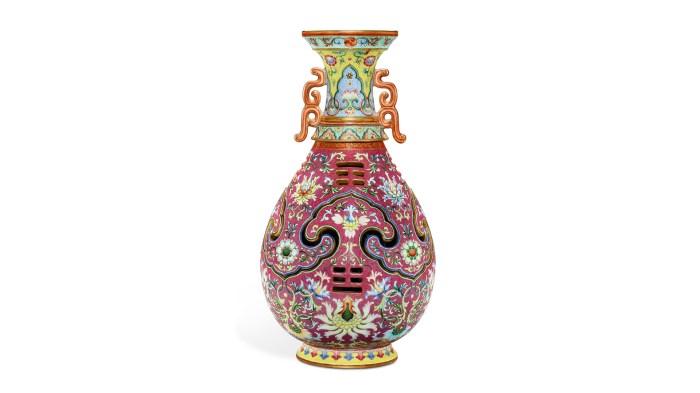
Transforming flowers into captivating arrangements requires more than just selecting blooms; it necessitates a keen understanding of visual principles. Effective arrangements harmonize form, color, and texture to evoke a desired mood or atmosphere. This section delves into various styles, highlighting design elements and the crucial role of lighting in enhancing the aesthetic impact.The success of a vase arrangement hinges on the careful consideration of several design elements.
These elements include, but are not limited to, the interplay of color, texture, and form. Choosing the appropriate vase and flowers is fundamental to creating a visually appealing arrangement. The careful placement of flowers within the vase, combined with strategic lighting, can dramatically alter the perceived beauty and impact of the composition.
Contemporary Arrangements
Contemporary vase arrangements prioritize clean lines, minimalist forms, and a focus on the natural beauty of the flowers. These arrangements often employ a single type of flower or a limited palette of colors. The vase itself frequently plays a prominent role, serving as a focal point alongside the flowers. A common example would be a single stem of a striking orchid in a clear glass cylinder vase, allowing the delicate form of the orchid to stand out.
The lack of elaborate details underscores the elegance of simplicity, and the impact of subtle color variations or textures. Lighting in a contemporary arrangement should be soft and diffused, avoiding harsh shadows that could detract from the understated elegance.
Rustic Arrangements
Rustic arrangements embrace natural elements and textures, incorporating elements like dried grasses, twigs, and foliage. The flowers chosen for rustic arrangements are often wildflowers or blooms with a rustic quality, like wildflowers or roses with natural imperfections. The vase used might be a handcrafted ceramic piece or a repurposed container, adding to the overall ambiance. For instance, a bouquet of wildflowers in a weathered wooden bowl, complemented by sprigs of eucalyptus, creates a warm, earthy aesthetic.
Soft, warm lighting enhances the natural textures and earthy tones, creating a cozy and inviting atmosphere.
Floral Portraits
Floral portraits focus on creating a likeness of a specific object or figure, utilizing various flowers and foliage to achieve a specific visual representation. These arrangements demand meticulous attention to detail, and the selection of flowers and foliage is crucial in capturing the desired form. For instance, a floral portrait of a butterfly could use delicate orchids to represent wings and carefully arranged ferns for the body.
The arrangement would require specific lighting to accentuate the intricate details, enhancing the resemblance to the subject. Soft, focused lighting from above, allowing for subtle shadows to highlight the contours, is ideal.
Abstract Arrangements
Abstract arrangements prioritize form and texture over literal representation. These arrangements often utilize a variety of flower types, sizes, and colors, creating a visually dynamic composition. The placement of the flowers within the vase is less focused on realism and more on creating a sense of movement and visual intrigue. An example could be a mix of lilies, roses, and sunflowers in a tall, slender vase, arranged in a way that creates a sense of cascading movement.
Bright, diffused lighting would bring out the colors and textures in the flowers, creating a vibrant and dynamic aesthetic.
Tips for Beginners
Embarking on the world of floral arrangements can be both exciting and intimidating. For beginners, a focus on simplicity and accessible materials can be key to building confidence and creating stunning displays. Understanding fundamental techniques and choosing appropriate materials are crucial first steps.Starting with basic techniques, utilizing readily available materials, and gradually increasing complexity allows for a rewarding experience.
This approach fosters a deeper appreciation for the artistry and creativity involved.
Simple Arrangement Techniques
Understanding fundamental techniques is crucial for beginners. Employing basic techniques allows for control and structure, leading to visually appealing arrangements. These techniques provide a solid foundation for more advanced approaches.
- The “Line” Arrangement: This technique involves arranging flowers in a linear fashion, either vertically or horizontally, along the vase’s length. This creates a clean and elegant aesthetic. A simple grouping of stems arranged parallel to each other in a straight line along the vase’s length can produce an instantly pleasing arrangement.
- The “Cluster” Arrangement: This involves placing flowers in close proximity, forming a dense and full cluster. Positioning flowers close together allows for a more concentrated display of color and texture. This technique is especially suitable for creating a sense of depth and fullness within the vase.
- The “Fan” Arrangement: This involves arranging flowers in a radiating pattern, resembling a fan. This technique provides a visually balanced display. The stems are arranged so they emanate from a central point, creating a graceful outward spread.
Inexpensive Materials for Stunning Arrangements
Budget-conscious individuals can still achieve impressive results. Utilizing readily available, inexpensive materials allows for exploration and experimentation without significant financial investment.
- Seasonal Flowers: Local farmers’ markets and grocery stores often feature seasonal flowers at affordable prices. These flowers provide an opportunity to create stunning arrangements using natural beauty.
- Dried Flowers and Greenery: Dried flowers and greenery offer a cost-effective alternative to fresh flowers. Their longevity allows for the creation of arrangements that can be enjoyed for extended periods. They add a unique texture and color palette.
- Natural Elements: Incorporating natural elements such as twigs, pebbles, or branches can add visual interest and texture to arrangements without increasing costs. These elements can provide an artistic focal point.
Building Confidence in Arranging Flowers
Building confidence in arranging flowers is a gradual process. Starting with simpler techniques and gradually increasing complexity allows for development of skills and understanding.
- Practice Regularly: Consistent practice is key to developing skill and confidence. Experimenting with different arrangements and techniques provides a valuable opportunity for learning and growth.
- Seek Inspiration: Drawing inspiration from various sources, including online tutorials, books, or local flower shops, can foster creativity and understanding. Visual inspiration helps to grasp the potential of floral arrangements.
- Embrace Imperfection: Don’t be afraid to experiment and try new things. Every arrangement is unique and an opportunity to learn. Accepting imperfections as part of the creative process can boost confidence.
End of Discussion
In conclusion, mastering the art of vase arrangement is a journey of creativity and refinement. By understanding the fundamental principles, exploring various styles, and considering the nuances of each occasion, you can transform any space into a haven of visual artistry. This comprehensive guide equips you with the knowledge and inspiration to create breathtaking arrangements, enhancing your home and adding a touch of elegance to your events.
![🇸🇬 [In Stock]Table Runner Light Luxury Nordic PVC Waterproof Stripe Solid Color Table Runners ...](https://electramode.web.id/wp-content/uploads/2025/07/best-table-runners-tout-2000-ede8b66fb0924f58bf18914127dac6f1-200x135.jpg "🇸🇬 [In Stock]Table Runner Light Luxury Nordic PVC Waterproof Stripe Solid Color Table Runners ...")
