
Valentine’s Day centerpieces transcend mere decoration; they embody the spirit of the season, transforming a space into a haven of romance and celebration. From the evolution of styles to the symbolic meanings behind flowers and colors, this comprehensive guide explores the artistry and significance behind these cherished displays. Understanding the nuances of creating memorable centerpieces allows for a deeper appreciation of the occasion.
This guide delves into the world of Valentine’s Day centerpieces, exploring diverse themes, budgets, and display ideas. It covers everything from traditional arrangements to modern interpretations, offering practical advice and inspiration for crafting a truly captivating centerpiece that reflects your unique style and preferences.
Introduction to Valentine’s Day Centerpieces
Valentine’s Day centerpieces, a ubiquitous element of the modern celebration, reflect a rich tapestry of history, cultural interpretations, and evolving aesthetics. From simple displays of affection to elaborate expressions of love, these arrangements have evolved significantly over time, mirroring societal shifts and artistic trends. Understanding the evolution of these centerpieces provides a fascinating insight into the changing perceptions of love and romance throughout history.The practice of decorating for Valentine’s Day, while rooted in the celebration of romantic love, has seen considerable adaptation over the centuries.
Early displays often involved symbolic gestures and natural elements, reflecting the limited resources and artistic styles of the era. The use of centerpieces has evolved in response to shifts in social customs, technological advancements, and cultural exchange, leading to the diverse styles seen today.
Historical Overview of Valentine’s Day Centerpieces
Early Valentine’s Day celebrations, predating the widespread use of elaborate centerpieces, focused on symbolic gestures rather than elaborate decorations. These displays often involved the exchange of small tokens of affection, such as flowers and poems. As societal customs and artistic expression evolved, so did the presentation of these tokens, leading to the development of centerpieces as we know them today.
The introduction of formal dining and social gatherings contributed significantly to the growth of the centerpiece tradition.
Evolution of Materials and Styles
The materials and styles used in Valentine’s Day centerpieces have undergone a dramatic transformation. Early centerpieces relied heavily on natural elements, such as flowers, fruits, and candles. These elements were often incorporated into simple arrangements, reflecting the era’s artistic sensibilities and access to resources. With the advent of mass production and the rise of industrialization, the availability of manufactured materials increased, allowing for more elaborate and diverse designs.
The availability of glass, porcelain, and other manufactured items expanded the creative possibilities of centerpieces. The incorporation of these materials, coupled with advancements in design, has resulted in the variety of styles observed today.
Cultural Interpretations of Valentine’s Day Centerpieces
Different cultures have their unique interpretations of Valentine’s Day centerpieces. In some cultures, the symbolism of flowers, colors, and specific items holds deep cultural significance, reflecting local traditions and beliefs. For example, certain flower types may represent different aspects of love or commitment in different cultures. The use of specific colours may also reflect cultural sentiments, as they do in some East Asian traditions.
This diversity highlights the global nature of the celebration and the influence of local customs on its expression.
Comparison of Traditional and Modern Centerpiece Styles
| Feature | Traditional Valentine’s Day Centerpieces | Modern Valentine’s Day Centerpieces |
|---|---|---|
| Materials | Primarily natural elements (flowers, fruits, candles, herbs) | Combination of natural and manufactured elements (flowers, candles, glass, metal, crystals) |
| Design | Simple, symmetrical arrangements | Diverse, incorporating asymmetry, modern design trends, and abstract elements |
| Color Palette | Predominantly muted tones and natural colors | Broader range of colors, including bold and vibrant hues, reflecting current design trends |
| Symbolism | Focus on traditional symbols of love and affection | Blending traditional and contemporary symbols; incorporating personal touches and elements representing modern relationships |
Popular Types of Valentine’s Day Centerpieces
Valentine’s Day centerpieces are more than just decorative elements; they often reflect the relationship’s unique characteristics and desired atmosphere. Choosing the right centerpiece sets the stage for a romantic and memorable celebration. This analysis explores the top types of centerpieces, considering their aesthetic appeal, symbolic meaning, and associated costs and complexity.The popularity of a Valentine’s Day centerpiece often hinges on its ability to evoke feelings of love, romance, and intimacy.
Visual appeal plays a crucial role, drawing inspiration from the symbolism of flowers, colors, and overall design. Considerations also include the practicality of setup and maintenance, along with budget constraints, ultimately influencing the final choice.
Top 5 Popular Centerpiece Types
The most popular centerpieces for Valentine’s Day typically leverage the power of flowers and arrangement. This trend is rooted in the traditional association of flowers with love and affection. The visual impact, the fragrant appeal, and the overall romantic aura contribute to their widespread popularity.
- Floral Arrangements: Bouquets and floral arrangements remain a classic choice. Their versatility allows for customization based on the relationship’s dynamic and the overall aesthetic of the event. The range of flowers, from roses to lilies, provides a wide array of symbolic meanings, and the artistry of arrangement adds visual appeal. Costs vary significantly depending on the type of flowers, the size of the arrangement, and the expertise of the florist.
Arrangement complexity also impacts cost and time investment. DIY options can be more budget-friendly but require more time and effort.
- Candle Centerpieces: The soft glow of candles creates a warm and intimate ambiance. The flickering flames and subtle scent contribute to a romantic atmosphere, enhancing the emotional connection between partners. The cost of candles varies depending on the size, type (e.g., pillar, votive), and design. Creating a visually appealing arrangement of candles might involve more complexity than a simple bouquet but often adds a unique character to the table.
- Chocolate-Dipped Flower Arrangements: This unique approach combines the elegance of flowers with the rich indulgence of chocolate. The contrast between the delicate petals and the decadent chocolate coating creates a visually stunning centerpiece. Costs are generally higher due to the additional labor and materials involved in the dipping process. The complexity of the arrangement and the time investment in creating these pieces add to the overall cost.
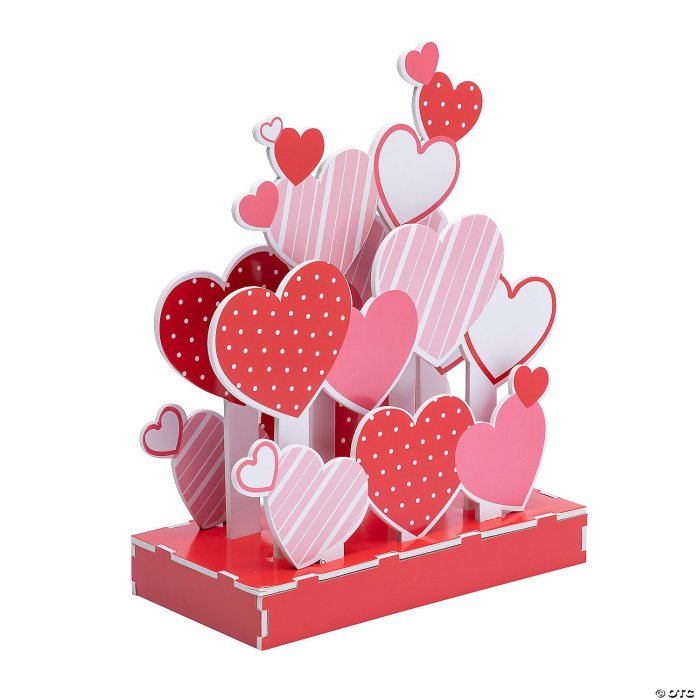
- Heart-Shaped Centerpieces: A universal symbol of love, heart-shaped centerpieces evoke a timeless feeling of romance. These pieces can be crafted from various materials, including glass, wood, or even fabric. The cost depends heavily on the material and craftsmanship. The ease of creating simple heart-shaped centerpieces using materials like cardboard or craft foam can make them more budget-friendly, while intricate carvings or customized designs can be expensive.
- Figurative Centerpieces: Decorative figurines or sculptures, often representing couples or romantic themes, add a personal touch. These can range from classic figurines to contemporary interpretations of love. Costs depend on the material (e.g., ceramic, resin), the artist’s skill, and the size of the piece. Creating a bespoke piece might be considerably more complex and expensive compared to buying a ready-made one.
Cost and Difficulty Comparison
The cost and difficulty of creating Valentine’s Day centerpieces vary significantly based on the chosen style and materials. Floral arrangements often present a balance between visual appeal and cost-effectiveness, while more elaborate designs or custom pieces will usually demand higher budgets.
| Centerpiece Type | Theme | Recommended Flowers | Cost Range | Difficulty |
|---|---|---|---|---|
| Floral Arrangements | Classic Romance | Roses, Lilies, Tulips | Moderate | Moderate |
| Candle Centerpieces | Intimate Ambiance | Calla Lilies, Orchids | Low to High | Low to Moderate |
| Chocolate-Dipped Flower Arrangements | Luxury Romance | Roses, Lilies | High | High |
| Heart-Shaped Centerpieces | Simple Romance | Carnations, Peonies | Low to High | Low to High |
| Figurative Centerpieces | Personalized Romance | Hydrangeas, Sunflowers | High | High |
Materials and Elements for Centerpieces
Valentine’s Day centerpieces are more than just decorative arrangements; they’re expressions of affection and sentiment. Selecting the right materials and elements plays a crucial role in conveying the desired message and creating a captivating ambiance. Careful consideration of flowers, colors, and lighting can transform a simple arrangement into a memorable display.The choice of materials and elements significantly impacts the overall aesthetic and emotional impact of a Valentine’s Day centerpiece.
Consideration of symbolism, color coordination, and lighting techniques is essential for crafting a centerpiece that truly resonates with the occasion.
Common Materials Used
Careful selection of materials creates a cohesive and impactful centerpiece. A range of options is available, each offering unique qualities and aesthetic appeal. From classic to contemporary styles, the possibilities are vast.
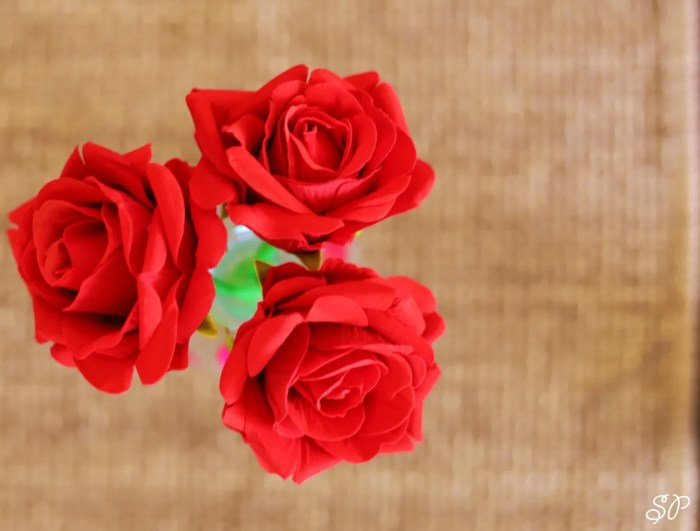
- Flowers: Roses, lilies, tulips, and carnations are popular choices, each carrying symbolic weight. Roses, for instance, represent love and romance, while lilies often symbolize purity and grace.
- Foliage: Greenery adds depth and texture to the arrangement. Ferns, eucalyptus, and ivy provide a natural touch and enhance the overall visual appeal.
- Candles: Soft, warm light from candles can create a romantic and inviting atmosphere. Scented candles can also enhance the ambiance with delightful fragrances.
- Decorative Items: Small figurines, heart-shaped candies, ribbons, or decorative elements such as pearls or crystals can add a touch of elegance and personal touch to the centerpiece.
- Vases and Containers: The container for the centerpiece acts as a frame. Elegant glass vases, rustic wooden boxes, or even unique ceramic pieces can elevate the overall presentation.
Symbolic Meanings of Elements
The symbolic meanings behind different elements can significantly enhance the message conveyed by the centerpiece. A thoughtful selection can amplify the sentiment associated with the occasion.
- Flowers: Roses, in particular, carry specific symbolic meanings depending on their color. Red roses represent passionate love, while white roses symbolize purity and innocence. Other flowers like lilies and tulips have their own unique connotations.
- Colors: Red is the quintessential Valentine’s Day color, symbolizing passion and love. Pink evokes feelings of tenderness and affection. Other colors, such as white or purple, can be incorporated to represent different aspects of the relationship.
- Objects: Heart-shaped objects, such as candies or figurines, are traditional symbols of love and affection. Other elements like doves or butterflies can symbolize love and freedom.
Color Coordination
A harmonious color scheme is essential for creating a visually appealing and cohesive centerpiece. Thoughtful color selection enhances the overall ambiance.
- Creating a Palette: A well-coordinated color palette should complement the chosen flowers and objects. Consider the colors of the flowers and objects to establish a balanced and aesthetically pleasing arrangement. The color palette should also resonate with the overall theme of the celebration.
- Complementary Colors: Employing complementary colors, such as red and green, can create a striking visual contrast. Analogous colors, like shades of pink and red, offer a softer, more harmonious feel.
- Neutral Tones: Neutral colors such as cream, beige, or brown can provide a sophisticated backdrop, highlighting the focal point of the arrangement, which can be flowers, candles, or other decorations.
Lighting Techniques
Appropriate lighting enhances the ambiance and creates a captivating atmosphere for the centerpiece. Careful selection and positioning of lights are crucial.
- Ambient Lighting: Soft lighting, such as candles or string lights, can create a romantic and inviting atmosphere. The use of candles and warm-toned light bulbs is highly recommended for a sophisticated and sentimental presentation.
- Accent Lighting: Accent lighting, such as spotlights or LED lights, can highlight specific elements of the centerpiece, drawing attention to particular flowers or decorative items.
- Lighting Placement: Strategic placement of lighting is essential to avoid harsh shadows or overly bright spots. Consider the height and shape of the centerpiece when determining the best placement for lights.
Creating a Romantic Atmosphere
Elevating a Valentine’s Day centerpiece beyond mere aesthetics hinges on crafting a truly immersive experience. This involves carefully considering sensory elements, transforming the display into a romantic ambiance that resonates with the occasion. A thoughtful approach to scents, music, and lighting can elevate the entire experience, creating a memorable and intimate atmosphere for your guests.
The Role of Scents and Aromas
Scent plays a powerful role in evoking emotions and memories. Subtle and pleasing aromas can set a romantic mood, transporting guests to a tranquil and intimate space. Consider using essential oils, scented candles, or even strategically placed flowers with strong fragrances. The choice of scent should complement the overall theme and color palette of the centerpiece. For example, a centerpiece featuring roses and lavender might benefit from a subtle lavender-based scent, while a centerpiece with fiery reds and oranges might incorporate a spicy scent like cinnamon or clove.
Aromas should be subtle, not overpowering, to avoid disrupting the overall atmosphere.
Selecting the Right Music
Music subtly shapes the ambiance of a space. The right selection can significantly enhance the romantic feeling associated with a Valentine’s Day centerpiece. Choosing music that evokes a sense of intimacy and warmth is crucial. Soft, instrumental pieces, or mellow acoustic songs can create a relaxing and romantic atmosphere. Avoid overly upbeat or jarring music, as it can disrupt the peaceful ambiance.
Consider the overall tone and theme of the centerpiece when selecting the music. For example, a delicate centerpiece featuring pastel colors and airy flowers might pair well with classical music or soft jazz, while a vibrant centerpiece with bold colors and strong flowers might benefit from mellow folk music or romantic instrumental compositions.
Lighting Techniques for a Warm and Inviting Atmosphere
Proper lighting is essential in setting the mood for a Valentine’s Day centerpiece. Warm, diffused lighting can create a cozy and inviting atmosphere, while harsh or overly bright lighting can detract from the romantic ambiance. Employ a combination of ambient lighting, such as softly lit candles or string lights, and accent lighting, such as spotlights on specific floral arrangements or decorative elements.
Consider using warm-toned bulbs for a softer, more intimate glow. Avoid harsh overhead lighting that can cast unflattering shadows.
Scent, Flower, and Music Pairing Suggestions
| Theme | Scent Options | Flower Suggestions | Music Genre |
|---|---|---|---|
| Romantic Garden | Lavender, Rose, Peony | Roses, Lilies, Peonies, Hydrangeas | Classical, Instrumental |
| Cozy Cabin | Cinnamon, Pine, Cedarwood | Calla Lilies, Winter Roses, Evergreens | Folk, Acoustic |
| Elegant Ballroom | Vanilla, Jasmine, Lily of the Valley | Orchids, Lilies, Calla Lilies | Jazz, Smooth Jazz |
| Sweet Romance | Strawberry, Peach, Vanilla | Roses, Peonies, Tulips | Pop, Ballad |
Budget-Friendly Valentine’s Day Centerpieces
Valentine’s Day doesn’t have to break the bank. Creating stunning centerpieces on a budget is achievable with thoughtful planning and resourceful creativity. This approach allows for personalized touches that reflect the spirit of the occasion without sacrificing visual appeal. From repurposed items to cost-effective materials, budget-friendly centerpieces can be just as romantic and impressive as elaborate designs.Many couples find that creating their own centerpieces allows for a personalized touch and an opportunity to express their unique relationship.
This is especially true for those seeking more budget-friendly options, as they can tailor the designs to their tastes and preferences. The key is to focus on maximizing impact with minimal investment.
DIY Materials and Techniques
Using readily available materials can significantly reduce costs without compromising aesthetics. For example, mason jars, repurposed glass bottles, or even simple wooden boxes can serve as the foundation for charming centerpieces. Decorative elements like ribbons, flowers (real or artificial), candles, and small figurines can be added to enhance the design. These materials can be sourced from craft stores, local markets, or even around the house, fostering a sense of resourcefulness and creativity.
The careful selection and arrangement of these elements can transform a simple container into a captivating centerpiece.
Repurposing Existing Items
Creative reuse of existing items is a cornerstone of budget-friendly design. Empty wine bottles, painted and adorned with twine or beads, can become elegant vases. Vintage teacups, transformed into small candle holders, exude a touch of charm. Old picture frames, repurposed as holders for dried flowers or small trinkets, can be personalized to showcase special memories or photos.
This process of finding new life for existing items not only saves money but also adds a unique personal touch to the Valentine’s Day celebration.
Maximizing Impact with Inexpensive Materials
The key to making a budget-friendly centerpiece visually appealing lies in strategic arrangement and thoughtful color choices. Consider the use of natural elements like greenery, twigs, and pinecones to create texture and depth. Varying heights and shapes within the centerpiece can add visual interest. A cohesive color palette, whether it’s a romantic red and white or a more subdued palette of pinks and creams, can unify the elements and create a harmonious aesthetic.
The arrangement of these elements can greatly impact the overall visual appeal of the centerpiece, even with modest materials. For instance, strategically placed candles can illuminate the scene and add warmth to the atmosphere.
Centerpieces for Different Themes
Valentine’s Day centerpieces offer a canvas for expressing diverse romantic sentiments. From classic elegance to playful whimsy, the theme chosen significantly impacts the overall aesthetic and emotional impact of the celebration. Selecting a theme allows for a cohesive and memorable experience, reflecting the unique relationship and the desired atmosphere.Beyond simply adorning a table, thoughtfully chosen centerpieces enhance the narrative of the occasion.
They speak volumes about the relationship and the effort invested in making the celebration special. A carefully curated theme ensures that every detail, from the color palette to the symbolic elements, contributes to the overall ambiance.
Classic Romance
This timeless theme evokes a sense of sophistication and enduring love. Soft, muted tones like blush pink, deep burgundy, and ivory create a romantic and elegant atmosphere. Classic elements such as roses, lilies, and hydrangeas in varying shades of these colors are ideal choices. Candles in elegant holders, or even a single, tall candle, add a touch of warmth and ambiance.
These elements communicate a sense of tradition and reverence for the enduring power of love.
Modern Chic
This contemporary theme emphasizes clean lines, minimalist design, and a touch of modern flair. Geometric shapes, sleek materials like glass or metal, and a muted color palette are key components. Modern centerpieces might feature arrangements of orchids, calla lilies, or other elegant, but not overly showy, flowers. The use of neutral tones with pops of vibrant color in accessories like vases or candles create a balanced and sophisticated look.
The use of these elements reflects a preference for understated elegance.
Rustic Charm
This theme embraces a natural and warm aesthetic, perfect for a relaxed and intimate gathering. Earthy tones like cream, beige, and sage green dominate the color scheme. Rustic centerpieces typically feature wildflowers, dried flowers, or greenery arranged in wooden or natural fiber containers. These elements evoke a sense of connection with nature and emphasize the beauty of simplicity.
The use of elements like burlap, twine, or wooden elements enhances the overall rustic feel.
Whimsical Romance
This playful theme celebrates the joy and lightheartedness of love. Pastel colors, like lavender, mint green, and light yellow, are often used. Whimsical centerpieces incorporate elements such as whimsical figurines, colorful ribbons, and unique shapes. Sweet peas, pansies, and other small, cheerful flowers, are well-suited for this theme. The use of these elements reflects a playful and affectionate approach to love.
A Table of Valentine’s Day Centerpiece Themes
| Theme | Colors | Flowers | Other Elements | Symbolic Meaning |
|---|---|---|---|---|
| Classic Romance | Blush pink, burgundy, ivory | Roses, lilies, hydrangeas | Candles, elegant vases | Enduring love, tradition |
| Modern Chic | Muted tones, pops of vibrant color | Orchids, calla lilies | Geometric shapes, glass/metal vases | Sophistication, understated elegance |
| Rustic Charm | Cream, beige, sage green | Wildflowers, dried flowers, greenery | Wooden/natural fiber containers, burlap | Connection with nature, simplicity |
| Whimsical Romance | Pastel colors (lavender, mint green, light yellow) | Sweet peas, pansies | Figurines, ribbons, unique shapes | Joy, lightheartedness, affection |
Centerpiece Display Ideas
Valentine’s Day centerpieces are more than just decorations; they’re crucial elements in setting the mood for a romantic evening. Effective display techniques elevate the visual appeal and enhance the overall ambiance, making the experience truly memorable. Proper arrangement considerations ensure that the centerpieces complement the table setting, the space, and the chosen theme.Careful planning and execution are key to maximizing the impact of Valentine’s Day centerpieces.
The chosen display method should not only showcase the beauty of the arrangement but also contribute to the overall aesthetic of the dining or gathering area. This involves considering factors like table dimensions, desired height and texture variations, and the overall thematic direction.
Space and Table Dimensions
Effective centerpiece placement hinges on understanding the available space. A large, elaborate arrangement on a small table can feel overwhelming and detract from the elegance of the setting. Conversely, a sparse arrangement on a large table can appear insignificant. Tables with different shapes and sizes necessitate tailored approaches.Consider the table’s length and width when selecting the centerpiece. A long rectangular table might benefit from multiple, smaller centerpieces placed strategically along the length, while a round table might be better suited to a single, focal centerpiece.
The table’s height also plays a role; taller centerpieces might be more suitable for higher tables. Measurements should be carefully taken to ensure a balanced and harmonious aesthetic.
Incorporating Height and Texture
A visually engaging centerpiece often incorporates variations in height and texture. Using a mix of elements like tall candles, flowers, and decorative items creates depth and interest. For instance, placing a tall vase with flowers in the center and strategically placing smaller items like figurines or decorative bowls around it can create visual intrigue.The introduction of different textures, like the smooth surface of a ceramic vase juxtaposed with the delicate petals of flowers, adds a layered dimension.
Combining materials like glass, wood, and metal further enhances the visual complexity and provides a richer sensory experience. Experimentation with different heights and textures can create a captivating and memorable focal point.
Centerpieces for Different Table Sizes
The size of the centerpiece should be in proportion to the size of the table. For smaller tables, opt for compact arrangements that don’t overwhelm the space. Use smaller vases, fewer flowers, and fewer decorative items.For larger tables, consider using multiple centerpieces strategically placed along the table. A long, rectangular table can accommodate a series of smaller, complementary arrangements or a single large centerpiece that’s well-proportioned to the table’s dimensions.
A large centerpiece for a round table should be balanced with the surrounding elements to prevent a cramped or cluttered appearance.Example: A small, round table might suit a single vase with a few sprigs of flowers and a candle. A long, rectangular table could accommodate several smaller, similarly styled arrangements or a single larger centerpiece that extends the length of the table, maintaining a balanced visual appeal.
These examples demonstrate the importance of considering the table’s dimensions when selecting and arranging centerpieces.
Centerpieces for Specific Occasions
Valentine’s Day centerpieces transcend mere decoration; they set the tone for the evening. Choosing the right centerpiece can elevate the ambiance, reflecting the specific event and creating a memorable experience for guests. The key is to consider the occasion, guest list, and desired atmosphere.Careful consideration of the occasion and guest list directly impacts the design choices. A romantic dinner for two requires a different aesthetic than a boisterous party for a large group.
The formality of the event and the personalities of the attendees should guide the selection of materials, colors, and style. For example, a sophisticated dinner might feature elegant candlelight and a single, elaborate floral arrangement, while a playful party could embrace vibrant colors and a cluster of small, thematic centerpieces.
Centerpieces for a Romantic Dinner
A romantic dinner necessitates an intimate and evocative atmosphere. Centerpieces should be designed to enhance the intimate and romantic mood. Consider soft lighting, such as candles in elegant holders, and flowers in muted tones like blush pink, lavender, or white. Simple, elegant designs, like a single tall vase filled with long-stemmed roses or a cluster of lilies, are ideal.
Adding a touch of personal sentiment, such as a framed photo or a small, meaningful object, can further personalize the setting. Avoid overly elaborate or distracting designs that might overshadow the intimate conversation.
Centerpieces for a Valentine’s Day Party
A Valentine’s Day party demands a lively and engaging atmosphere. Centerpieces should reflect the celebratory spirit of the gathering. Consider using a mix of colors and textures. For example, a cluster of colorful, smaller vases with different flowers, or a collection of whimsical figurines, would create a fun and inviting space. A variety of thematic elements, such as heart-shaped decorations, can be incorporated without overwhelming the space.
Centerpieces for a Special Event
For a special Valentine’s Day event, such as a surprise party or a formal gala, the centerpiece should be carefully chosen to match the formality and significance of the occasion. Sophisticated, elegant designs are often appropriate. Large floral arrangements or elaborate candle displays could be incorporated, reflecting the grandeur of the event. The selection should be in keeping with the theme of the event.
Adapting Centerpiece Designs for Different Gathering Sizes
The scale of the centerpiece must accommodate the size of the gathering. For smaller gatherings, a single, elegant arrangement or a cluster of smaller, personalized centerpieces can be sufficient. For larger gatherings, multiple smaller arrangements or a single large, elaborate centerpiece can be suitable, depending on the room layout. Carefully placed centerpieces can create visual interest without overcrowding the space.
This could involve strategically placing centerpieces around the dining table or room to provide ample space for conversation and movement.
Visual Inspiration for Centerpieces
Valentine’s Day centerpieces offer a canvas for expressing love and romance. Beyond practical considerations of materials and budget, visual inspiration plays a crucial role in setting the mood and conveying the desired message. This section delves into the visual elements that contribute to a captivating and memorable centerpiece display.
Color Palettes
Color palettes evoke specific emotions and set the tone for the entire centerpiece. A rich crimson and deep burgundy palette, for instance, exudes a classic and sophisticated Valentine’s Day feel. Alternatively, a softer palette using blush pink, lavender, and white suggests a more delicate and romantic ambiance. The choice of colors should harmonize with the overall theme and occasion.
Choosing complementary colors ensures a cohesive and aesthetically pleasing presentation.
Texture and Materials
Texture and material selection significantly impact the visual appeal of a centerpiece. Smooth, polished glass vases contrasted with the rough texture of natural elements like twigs or wood can create a striking visual contrast. Alternatively, the use of delicate, flowing fabrics like silk or satin, combined with the warmth of natural wood elements, offers a luxurious feel. Combining different textures creates visual interest and depth.
The chosen materials should be durable, appropriate for the setting, and complement the chosen color scheme.
Symbolic Visual Elements
Various visual elements carry symbolic meaning, enriching the centerpiece’s narrative. Heart-shaped elements, for instance, are an obvious choice, representing the essence of Valentine’s Day. Candles, particularly in varying heights and shades, can symbolize warmth, intimacy, and love’s enduring flame. Flowers, in their vibrant colors and delicate forms, often signify affection, passion, and admiration. Incorporating these elements strategically enhances the romantic message.
Examples of Visual Inspiration
| Theme | Color Palette | Materials | Symbolic Elements | Description |
|---|---|---|---|---|
| Classic Romance | Deep Red, Cream, Gold | Glass, Satin, Wood | Hearts, Candles, Roses | A centerpiece featuring a tall, clear glass vase filled with cascading roses, complemented by delicate cream-colored satin ribbons and gold-trimmed wood elements. Heart-shaped candlesticks add a romantic touch. |
| Modern Chic | Pastel Pink, Silver, White | Metal, Glass, Fabric | Geometric shapes, Floating candles | A sleek, modern centerpiece using a silver metal tray with a glass bowl containing floating candles. Pastel pink fabric elements drape across the tray. This design embodies a minimalist aesthetic. |
| Rustic Charm | Natural Tones (Brown, Beige, Green) | Wood, Stone, Flowers | Wildflowers, Branches | A rustic centerpiece with a wooden bowl filled with wildflowers, complemented by natural branches and stones. This centerpiece is grounded in a natural and earthy palette, showcasing the beauty of nature. |
Ultimate Conclusion
In conclusion, crafting the perfect Valentine’s Day centerpiece is a journey of artistic expression, informed by cultural traditions and modern aesthetics. By considering the interplay of materials, themes, and display techniques, one can create a centerpiece that is not only beautiful but also meaningful, setting the stage for a memorable celebration. The key is to tailor the centerpiece to the specific occasion and guest list, maximizing the impact of each element for a truly unforgettable experience.