
Japanese interior design, renowned for its serene aesthetics and deep cultural roots, often employs a layered approach to create a harmonious and visually engaging space. This layered effect isn’t merely about piling elements on top of each other, but rather about carefully combining materials, colors, and spatial arrangements to evoke a sense of tranquility and connection to nature. From the subtle use of natural light to the strategic placement of carefully chosen furniture, each element plays a vital role in crafting a truly unique and inviting atmosphere.
This exploration delves into the core principles of layering in Japanese interiors, examining how different elements – from textiles and furniture to lighting and garden elements – can be strategically combined to achieve a truly immersive experience. We’ll uncover the key elements that contribute to this layered effect, and demonstrate how these principles can be adapted to modern spaces while retaining the essence of traditional Japanese design.
Defining Japanese Interior Style
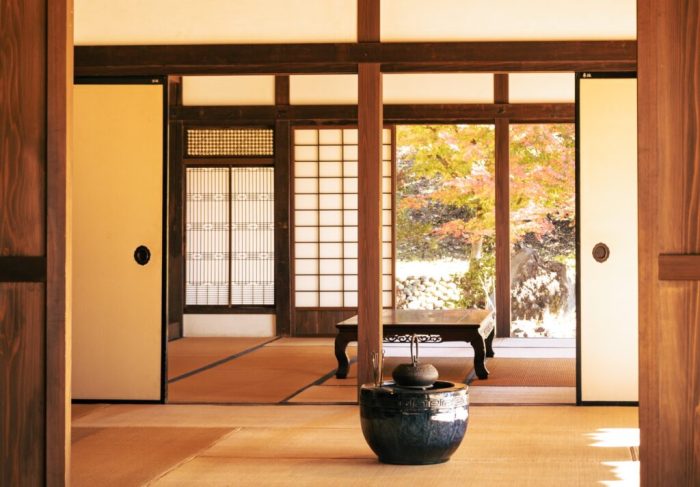
Japanese interior design transcends mere aesthetics; it embodies a philosophy deeply rooted in centuries of cultural and historical influences. This style, often characterized by a serene minimalism, emphasizes harmony with nature, a respect for simplicity, and a focus on creating spaces that foster contemplation and well-being. The careful selection of materials, the strategic use of light, and the mindful arrangement of elements all contribute to a unique and enduring design language.The essence of Japanese interior design lies in its profound connection to the natural world.
This connection manifests in the meticulous use of natural materials, the thoughtful incorporation of light, and the emphasis on open spaces that seamlessly integrate the indoors with the outdoors. The aesthetic aims to create a sense of tranquility and mindfulness, reflecting a profound appreciation for the beauty of imperfection and impermanence.
Core Aesthetic Principles
Japanese interior design prioritizes simplicity and functionality, often eschewing excessive ornamentation. This emphasis on minimalism allows the natural beauty of materials and the interplay of light and space to take center stage. The focus is on creating a calm and serene atmosphere, free from clutter and distractions. This core philosophy is deeply intertwined with the broader cultural values of Japan.
Historical and Cultural Influences
The historical evolution of Japanese design is intrinsically linked to the nation’s cultural values. Traditional Japanese architecture, with its emphasis on natural materials and open spaces, profoundly influenced interior design. Buddhist principles, particularly the concept of Zen, have also significantly shaped the aesthetics, promoting a sense of mindfulness and tranquility. The aesthetic principles of Wabi-Sabi, a philosophy embracing imperfection and impermanence, further defines the approach.
These influences, combined with the constant interaction with nature, have resulted in a unique style that prioritizes simplicity and harmony.
Use of Natural Materials
Natural materials are central to traditional Japanese design. Wood, bamboo, and stone are frequently employed, not just for their aesthetic qualities, but also for their inherent connection to nature. The natural textures and warm tones of these materials create a sense of warmth and grounding. These materials are often left unfinished, allowing their natural beauty to shine through.
The use of natural materials, along with the natural color palette of Japanese aesthetics, reinforces the design’s deep connection with the surrounding environment.
Comparison with Other Styles
Japanese interior design contrasts sharply with other styles, such as Scandinavian, which often focuses on clean lines and bright, airy spaces. While minimalism is a shared trait, Japanese design often emphasizes a more subtle elegance and a greater appreciation for the inherent beauty of natural materials. The focus on tranquility and mindfulness, as well as the acceptance of imperfection, differentiates it further from the often stark, geometric purity of Scandinavian aesthetics.
Wabi-Sabi and its Relevance
Wabi-sabi, a Japanese aesthetic philosophy, profoundly influences Japanese interior design. It embraces imperfection, asymmetry, and the natural beauty of age. This appreciation for the transient and imperfect is reflected in the use of aged wood, subtly uneven surfaces, and the acceptance of natural variations in materials. It’s a philosophy that promotes acceptance and appreciation of the beauty in imperfection, which is a key aspect of Japanese design.
Role of Light and Space
Light and space play a crucial role in Japanese interiors. Natural light is prioritized, often allowed to flow freely through the space, creating a sense of openness and connection with the outdoors. The emphasis on open spaces and the use of sliding doors and partitions further enhance the sense of fluidity and dynamism, creating a sense of spaciousness and allowing for versatile use of the interior.
This careful interplay of light and space enhances the sense of serenity and harmony that is central to Japanese design.
Layering Elements in Japanese Interiors
Japanese interiors, renowned for their minimalist aesthetic, often employ a sophisticated layering technique to create depth and visual interest. This layering transcends simple arrangement, emphasizing the interplay of textures, colors, and carefully chosen elements to evoke a sense of calm and sophistication. This intricate approach elevates the space beyond a mere collection of objects, transforming it into a harmonious composition.Beyond the foundational principles of simplicity and natural materials, layering in Japanese design creates a nuanced narrative.
It’s a strategic approach to weaving together disparate elements to build a holistic and inviting atmosphere. This involves mindful selection of furniture, textiles, and décor pieces, considering not only their individual qualities but also how they complement and contrast within the overall composition.
Key Elements Contributing to Layering
The layered effect in Japanese interiors is achieved through a careful combination of key elements. These include furniture, textiles, décor items, and the thoughtful use of negative space. The deliberate interplay of these elements creates a dynamic and visually rich environment.
Examples of Layering Textiles, Furniture, and Décor
Layering in Japanese interiors extends beyond just piling objects. It’s about creating a sense of depth and dimension through careful selection and placement. For instance, a tatami mat floor might be layered with a low, woven rug, adding warmth and visual interest. Similarly, a simple wooden table can be layered with a silk-screened cloth runner and a collection of carefully curated decorative objects.
The subtle shifts in texture and color create a rich and immersive experience. A low-profile sofa, draped with a thick, textured throw, and complemented by a few carefully placed decorative bowls, exemplifies this layered approach.
Combining Textures, Patterns, and Colors
The layered effect often involves contrasting and complementary textures, patterns, and colors. For example, the smooth, polished surface of a lacquered cabinet might be contrasted with the rough texture of a woven basket. The use of natural materials, such as bamboo, wood, and silk, provides a warm and inviting ambiance. Neutral colors like beige, gray, and white are often used as a backdrop, allowing the focal points to stand out and adding a sense of calm and harmony.
Accents of deeper tones or richer colors, such as deep indigo or burnt orange, provide a subtle yet impactful touch, adding a touch of drama to the minimalist design.
Hypothetical Japanese Living Room Layout
Imagine a living room with a tatami mat floor, layered with a woven rug with a subtle geometric pattern. A low, wooden coffee table, featuring a textured, natural wood grain, is centered in the space. On the table, a few decorative objects, such as ceramic vases and a hand-carved wooden sculpture, are arranged. Layered atop the table, a silk-screened fabric runner adds a touch of color and texture.
On the wall, a few carefully selected prints, featuring minimalist landscapes, are hung. The space is further layered with soft, textured throws draped over a low-profile sofa, adding depth and warmth. The careful placement of these elements, including the use of negative space, creates a sense of calm and sophistication.
Techniques for a Visually Interesting Layering Effect
Achieving a visually interesting layering effect requires careful consideration of scale, proportion, and balance. Using varying heights and depths in the arrangement is crucial. Objects should be placed in a manner that draws the eye across the space. Employing contrasting textures and colors can create visual interest. Grouping similar objects together can create visual cohesion.
Allowing for negative space between elements allows them to stand out and prevents the space from feeling cluttered. A key aspect of layering is ensuring that each element contributes to the overall aesthetic.
Importance of Negative Space
Negative space is critical in Japanese interiors. It allows elements to breathe and prevents the space from feeling crowded. It emphasizes the importance of balance and minimalism. By strategically leaving empty spaces, the eye can appreciate the carefully curated elements within the composition. It is not merely the absence of objects, but a crucial component in achieving the desired aesthetic.
Empty spaces allow the eye to rest and focus on the elements present.
Color Palettes and Their Application
Japanese interiors often evoke a sense of tranquility and harmony, achieved not just through materials but also through thoughtful color palettes. These palettes are deeply rooted in Japanese aesthetics, reflecting a preference for subtle tones and natural elements. Understanding these color choices and how they are layered is key to mastering the Japanese interior design aesthetic.Japanese design prioritizes a harmonious relationship between the space and its occupants.
Color plays a crucial role in achieving this balance, often representing the natural world and expressing subtle emotions. By carefully considering the symbolic value of each color, designers can create spaces that feel both calming and visually engaging.
Common Color Palettes
Japanese interior color palettes typically favor natural tones. These palettes often incorporate muted earth tones, soft pastels, and subtle variations of black and white. The key is to create a sense of depth and harmony through the subtle transitions between colors. Avoiding harsh contrasts and embracing soft gradations is fundamental.
Examples of Layered Color Palettes
A common layering technique involves using a base color, such as a warm beige or a soft gray, as the dominant element. This is then accented with lighter shades of the same color family or with complementary tones. For instance, a room with a light gray wall might be layered with natural wood tones for furniture and accents of muted greens or blues for decorative elements.
Another approach is to use a neutral base with pops of color from nature.
Color Symbolism in Japanese Design
Colors in Japanese design often hold symbolic meaning. For example, muted greens and blues evoke the serenity of nature, while warm beiges and browns represent the earth. Black and white, often used in contrast, symbolize the yin and yang concept of balance and harmony. The selection of colors is as important as the selection of materials and furniture.
Creating Depth and Visual Interest
Using color strategically can create a sense of depth and visual interest in a Japanese interior. Employing various shades of a single color can subtly define different zones or focal points. For example, a series of varying shades of gray on walls or floors can create a sense of depth without the use of dramatic color changes.
Table of Color Palettes for Japanese Interiors
| Palette Name | Dominant Colors | Accent Colors | Symbolism |
|---|---|---|---|
| Tranquil Earth | Beige, Light Brown, Gray | Muted Green, Soft Blue, Black | Harmony, groundedness, serenity |
| Subtle Nature | Light Gray, Off-White | Sage Green, Pale Blue, Deep Brown | Connection to nature, calmness |
| Simple Elegance | Off-White, Cream | Deep Gray, Black, Gold | Sophistication, understated luxury |
Natural Materials and Their Impact
Japanese interior design prioritizes a deep connection with nature, and this is evident in the pervasive use of natural materials. These materials, chosen for their inherent beauty and sustainability, contribute significantly to the overall aesthetic and emotional atmosphere of a space. From the warmth of polished wood to the cool serenity of stone, these elements evoke a sense of tranquility and harmony, echoing the core principles of Japanese aesthetics.Natural materials, beyond their visual appeal, offer a tangible link to the surrounding environment.
Their tactile qualities—the smooth grain of wood, the cool texture of stone—invite a sensory engagement that deepens the connection to the space and its design. This integration of nature into the built environment fosters a sense of place, grounding the design in the broader natural world.
Significance of Wood in Japanese Interiors
Wood, a cornerstone of Japanese design, is valued for its inherent beauty, versatility, and connection to nature. Its warm tones and varied textures provide a foundation for layering other materials. Japanese artisans meticulously select and prepare wood, often showcasing its natural grain and imperfections. This emphasis on natural beauty is a hallmark of the aesthetic, creating a sense of authenticity and inherent value.
For example, the use of meticulously crafted wooden furniture and floors in a traditional Japanese teahouse exemplifies the respect and appreciation for natural materials.
Bamboo’s Versatility and Elegance
Bamboo, another prevalent natural material, offers a unique blend of strength and elegance. Its light, flexible nature allows for intricate designs and structures, often employed in partitions, screens, and decorative elements. The visual lightness of bamboo contrasts beautifully with heavier materials like stone and wood, contributing to the overall airy and spacious feel often associated with Japanese interiors.
Bamboo’s ability to adapt to various forms allows for its incorporation into both modern and traditional settings.
The Role of Stone in Japanese Design
Stone, with its inherent strength and enduring quality, plays a vital role in Japanese design. Its cool, smooth texture and muted tones offer a grounding counterpoint to the warmth of wood and the lightness of bamboo. The use of stone in flooring, walls, or decorative elements often emphasizes the minimalist aesthetic, reflecting the importance of simplicity and quietude.
The visual contrast between the rough texture of a stone wall and the smooth surfaces of a wooden table, for example, can create a striking visual balance.
Incorporating Natural Materials into Layered Designs
Creating layered designs with natural materials requires careful consideration of textures, colors, and tones. The interplay between wood, bamboo, and stone can create depth and dimension. For instance, a room featuring a wooden floor, bamboo screens, and a stone fireplace exemplifies the harmonious layering of natural materials. The choice of materials should complement the overall aesthetic, enhancing the space’s functionality and visual appeal.
Integrating Natural Materials into Different Room Types
The integration of natural materials adapts seamlessly to various room types. In living areas, wooden floors and furniture, combined with bamboo screens or decorative accents, create a warm and inviting atmosphere. Bathrooms can incorporate stone elements for a calming and serene ambiance. Bedrooms can benefit from the soothing textures of wood and bamboo to promote relaxation and tranquility.
Each room type can leverage natural materials to create a specific and personalized environment.
Natural Material Textures and Visual Appeal
Natural materials offer a wide array of textures and visual appeal. The varying shades and grain patterns of wood, the intricate weaving of bamboo, and the unique markings and colors of stone contribute to the visual interest of a space. The visual appeal of these materials extends beyond their aesthetic qualities; it also evokes a sense of the natural world within the home.
These inherent qualities of the materials offer a distinctive and personalized aesthetic to any space.
Natural Materials Table
| Material | Properties | Incorporation into Layered Designs |
|---|---|---|
| Wood | Warmth, strength, versatility, varied textures | Flooring, furniture, decorative accents; use contrasting wood types for layered effect. |
| Bamboo | Lightness, flexibility, intricate patterns, adaptability | Screens, partitions, decorative elements; use in conjunction with wood or stone for visual balance. |
| Stone | Strength, enduring quality, cool texture, muted tones | Flooring, walls, fireplace surrounds; use to create visual contrast with warmer materials. |
| Other Natural Materials (e.g., Rattan, Wicker) | Versatile textures, patterns, and tones | Furniture, baskets, decorative accents; use to introduce additional texture and visual interest. |
Lighting and Ambiance in Japanese Interiors
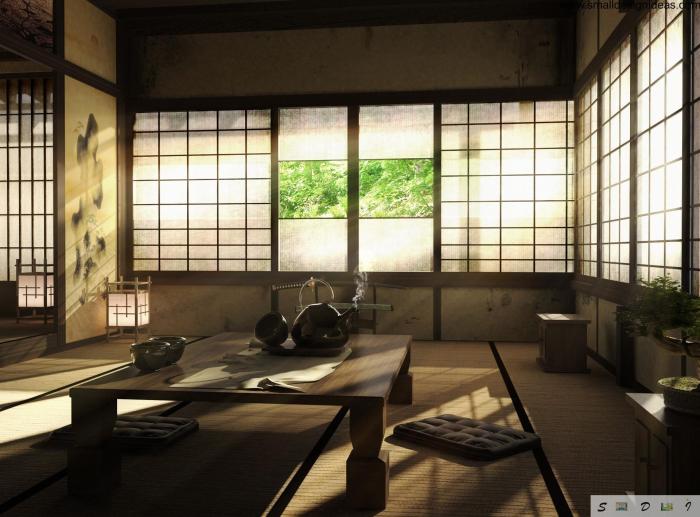
Japanese interiors, renowned for their serene and minimalist aesthetic, rely heavily on thoughtful lighting to establish the desired ambiance. Beyond simply illuminating a space, light plays a crucial role in defining the mood, highlighting architectural details, and creating a sense of depth and harmony. The interplay of natural and artificial light contributes significantly to the overall experience of a Japanese home.Japanese design prioritizes a natural flow and a connection with the surrounding environment.
Lighting, therefore, isn’t merely functional; it’s a key element in expressing this philosophy, enhancing the perception of space and fostering a sense of tranquility. The careful consideration of light sources and their placement mirrors the Japanese appreciation for subtle beauty and understated elegance.
Importance of Natural Light
Natural light is paramount in Japanese interiors. It is more than just illumination; it’s a connection to the outdoors, a source of energy, and a way to bring the beauty of the natural world inside. Maximizing natural light creates a sense of spaciousness and fosters a deeper connection with the surrounding environment. Large windows and strategically placed openings are common design features to allow abundant natural light to flood the space.
This approach not only enhances the aesthetic appeal but also reduces the need for artificial light during the day, contributing to energy efficiency.
Types of Lighting Suitable for Japanese Interiors
Japanese interiors often employ a layered approach to lighting, using a combination of ambient, accent, and task lighting. Ambient lighting provides overall illumination, while accent lighting highlights specific features or artworks, and task lighting is focused on specific areas for focused activity. This multi-layered approach creates a dynamic and adaptable space, suitable for various activities and moods. Soft, diffused lighting is favored over harsh glare, emphasizing the natural beauty of the space.
Using Lighting to Create a Layered Effect
Creating a layered effect in Japanese interiors involves strategically combining different types and intensities of light. Ambient lighting, provided by recessed lighting or softly diffused pendants, sets the overall mood. Accent lighting, such as strategically placed spotlights or wall sconces, draws attention to particular features, such as artwork or architectural details. Task lighting, like small table lamps or strategically positioned floor lamps, ensures adequate illumination for specific activities without overwhelming the space.
This layered approach prevents a single, overpowering light source from dominating the ambiance.
Highlighting Architectural Features with Lighting
Japanese architecture often features subtle and understated elements, like shoji screens or tatami mats. Well-placed lighting can highlight these details without drawing undue attention to them. Using warm, soft light sources can beautifully accentuate the textures and patterns of these architectural features. Spotlights, strategically positioned to illuminate specific elements, can showcase the craftsmanship and artistry of the design without disrupting the overall harmony.
Comparison of Lighting Techniques
| Lighting Technique | Description | Effect on Ambiance | Suitability for Japanese Interiors |
|---|---|---|---|
| Ambient Lighting | Provides overall illumination. | Creates a welcoming and comfortable atmosphere. | Excellent; promotes a sense of calm and spaciousness. |
| Accent Lighting | Highlights specific features. | Emphasizes design elements and artwork. | Ideal; enhances the aesthetic appeal of subtle features. |
| Task Lighting | Provides focused illumination for specific activities. | Supports focused tasks without disturbing the overall ambiance. | Essential for reading or working in the space. |
| Natural Light | Utilizes sunlight for illumination. | Creates a sense of connection with nature. | Crucial; maximizes serenity and energy efficiency. |
Furniture and Accessories
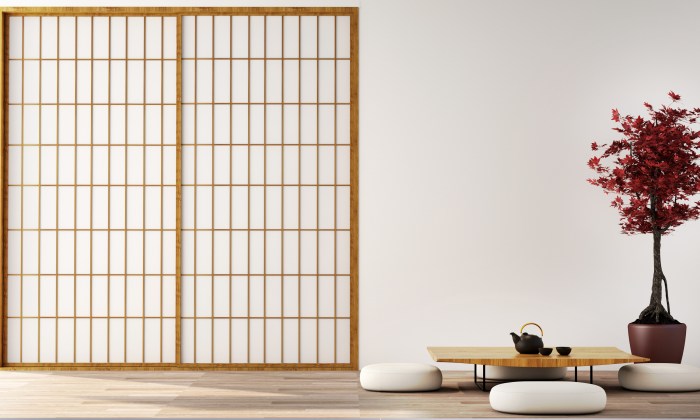
Japanese interiors, renowned for their minimalist elegance and deep connection to nature, prioritize functional and aesthetically pleasing furniture and accessories. This focus on simplicity and harmony translates into a carefully curated selection of items that seamlessly blend into the overall aesthetic, emphasizing the space’s natural surroundings. The choice of materials, shapes, and colors directly contributes to the layered effect, creating a sense of tranquility and refinement.
Common Furniture Types
Japanese interiors frequently feature low-profile furniture, reflecting the philosophy of living in harmony with the ground. This approach allows for a sense of spaciousness and encourages a more mindful interaction with the environment. Notable pieces include tatami mats, futons, and low tables (ちゃぶ台, chabudai). These pieces are typically made from natural materials, emphasizing their connection to the surrounding landscape.
Style and Function of Japanese Furniture
Japanese furniture design prioritizes functionality and minimalism. Pieces are often crafted with natural materials like wood, bamboo, and straw, which adds to their inherent beauty and promotes an appreciation for the raw materials. Furniture design is carefully considered to serve multiple purposes. For example, a low table can be used for dining, as a workspace, or for relaxing.
This multi-functionality is a key element in creating a layered aesthetic.
Complementary Furniture Selection
The selection of furniture that complements the layered aesthetic hinges on thoughtful consideration of materials, proportions, and colors. Items should harmonize with the existing color palette and natural materials. Choosing pieces with clean lines and understated designs avoids overwhelming the space. This strategy maintains a sense of balance and harmony, key elements of Japanese interior design.
Arranging Furniture for a Layered Effect
Creating a layered effect in a Japanese interior involves strategically arranging furniture to highlight the space’s natural elements. This often involves positioning low tables and seating arrangements near windows or other natural light sources, allowing the natural light to flow throughout the room. Strategic use of negative space is crucial; it allows the furniture to breathe and the room to appear larger and more welcoming.
Suitable Accessories
Japanese accessories are characterized by their simplicity and understated elegance. Key examples include minimalist wall hangings, decorative screens (shoji), and carefully selected decorative items that reflect nature, such as bonsai trees, vases with flowers, or delicate sculptures. These items should complement the furniture’s style and color palette.
Table of Furniture and Accessories
| Type | Design Features |
|---|---|
| Tatami Mats | Made from woven straw or rushes, these mats provide a comfortable floor seating area. |
| Futons | Rollable mattresses used for sleeping and seating, often covered with lightweight fabrics. |
| Chabudai | Low tables, often made of wood, used for dining, working, or relaxing. |
| Shoji Screens | Translucent screens made of paper or wood, providing privacy and light filtration. |
| Wall Hangings | Minimalist art or calligraphy pieces that complement the room’s aesthetic. |
| Bonsai Trees | Miniature trees that represent the beauty of nature in a contained space. |
Textiles and Their Role
Japanese interiors, renowned for their minimalist elegance and deep connection to nature, leverage textiles to craft a sense of warmth, tranquility, and visual interest. Beyond mere practicality, textiles play a pivotal role in defining the ambiance and embodying the cultural ethos of the space. They speak volumes about the season, the homeowner’s personality, and the overall aesthetic.The careful selection and layering of textiles are crucial to achieving the harmonious balance that defines Japanese interiors.
Textiles, from delicate silks to robust linens, are not simply coverings; they are integral elements that contribute significantly to the overall atmosphere. This section delves into the sophisticated use of textiles in creating layered and evocative spaces.
Types of Fabrics and Patterns
Japanese interiors often favor natural fabrics like silk, linen, cotton, and ramie, chosen for their inherent beauty and breathability. These materials, often woven with traditional techniques, contribute to the overall aesthetic. Common patterns include subtle floral motifs, abstract designs, and the iconic Japanese “kiku” (chrysanthemum) or “hana” (flower) patterns. These patterns, often understated, are integrated into the space in a way that complements rather than overpowers the surrounding design elements.
Layering Textiles for Visual Appeal and Warmth
Layering textiles is a key strategy for creating depth and visual interest in Japanese interiors. This involves strategically placing fabrics of varying textures, weights, and colors in a way that enhances the overall ambiance. For example, a lightweight silk kimono draped over a wooden armchair can create a delicate yet sophisticated contrast. Alternatively, a woven linen throw draped over a futon adds warmth and visual interest without detracting from the room’s minimalist aesthetic.
The juxtaposition of textures and colors through layering creates visual dynamism and a tactile experience.
Textile Contribution to Ambiance
Textiles are instrumental in setting the desired ambiance. Light, airy fabrics like silk contribute to a serene and tranquil atmosphere, while heavier materials like wool or linen offer a sense of warmth and cosiness. The color palette, often inspired by nature, plays a vital role in shaping the mood. Neutral tones such as beige, gray, and white, accented with pops of muted color from fabrics, establish a calm and sophisticated atmosphere.
The overall effect is one of balance, where the textiles complement the surrounding environment and enhance the emotional response to the space.
Creating a Layered Effect with Textile Patterns
Utilizing a variety of textile patterns allows for a layered effect that enhances visual interest. For example, a room featuring a tatami mat floor covered with a muted-patterned rug and accented by a throw pillow with a subtle floral motif achieves a sophisticated layered look. By combining different patterns, one can achieve visual complexity without sacrificing the overall aesthetic harmony of the Japanese interior design.
The patterns are often subtle and blend seamlessly, avoiding clashing or overwhelming the space.
Comparison of Textile Types and Patterns
| Textile Type | Common Patterns | Texture | Ambiance |
|---|---|---|---|
| Silk | Abstract, subtle floral, “kiku” | Smooth, delicate | Serene, tranquil |
| Linen | Solid, subtle stripes, simple geometric | Rough, natural | Warm, earthy |
| Cotton | Solid, simple geometric, floral | Soft, breathable | Versatile, adaptable |
| Ramie | Solid, textured weaves | Rough, natural | Natural, calming |
Note: This table provides a simplified overview; many variations and combinations exist within each textile type.
Incorporating Japanese Gardens into the Interior
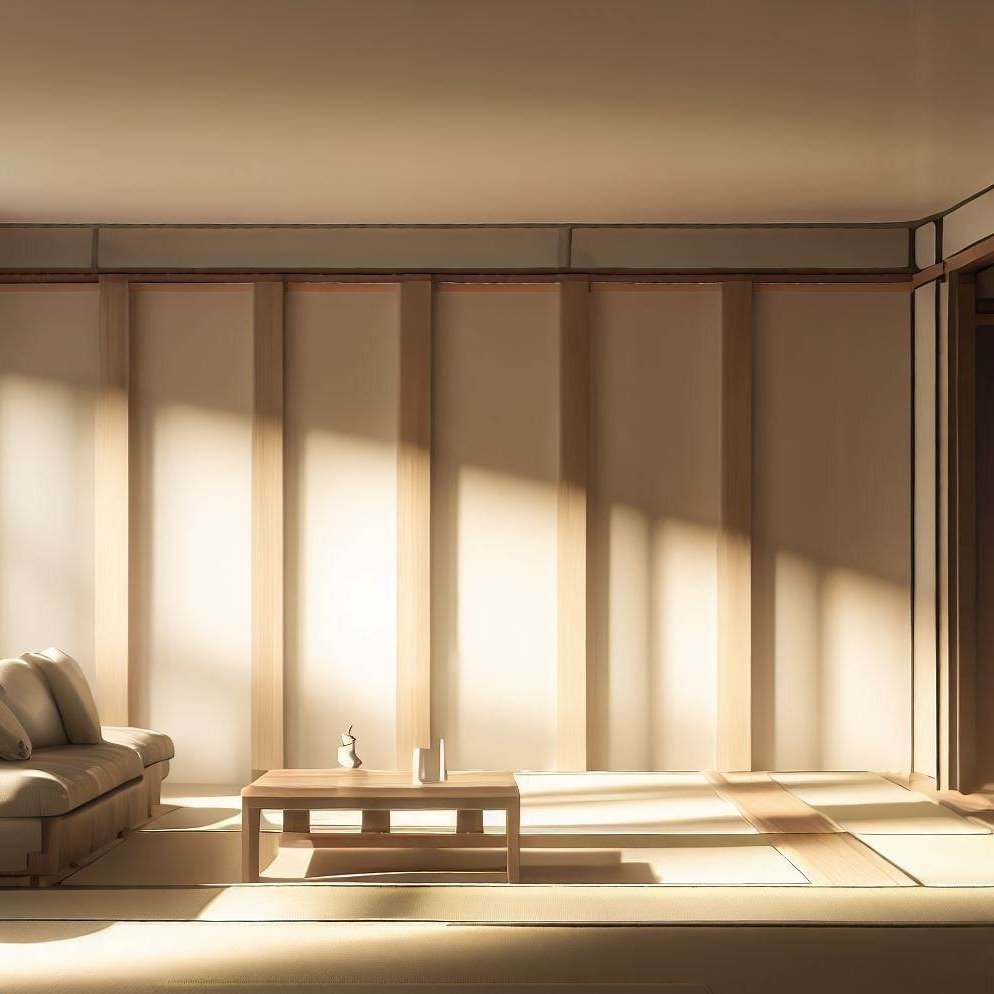
Japanese interiors often evoke a serene and tranquil atmosphere, drawing inspiration from the principles of nature. A key element in achieving this aesthetic is the subtle yet powerful incorporation of Japanese garden design. This approach bridges the gap between the indoor and outdoor realms, bringing the essence of a garden’s tranquility and artistry into the home.The incorporation of Japanese garden elements goes beyond mere visual appeal; it’s about creating a spatial harmony that mirrors the natural world.
This translates to a sense of calm and balance, encouraging introspection and a deeper appreciation for the beauty of simplicity. By thoughtfully integrating elements like water features, rocks, and carefully curated greenery, the home transforms into a microcosm of the serene Japanese garden.
Creating a Sense of Nature and Tranquility
Japanese garden principles emphasize the illusion of vastness and natural flow. This is achieved through careful arrangement and selection of materials. A minimalist approach is crucial; avoiding clutter and embracing the unadorned beauty of natural forms is paramount. The use of natural materials like stone, wood, and water evokes a sense of calm and serenity. Soft, diffused lighting further enhances the tranquility, mirroring the gentle glow of dawn or dusk.
Examples of Incorporating Garden Elements into Different Rooms
The incorporation of Japanese garden elements can be tailored to various rooms. A living room might feature a miniature rock garden (karesansui) on a low table, subtly suggesting the tranquility of a mountain landscape. The bedroom could benefit from a hanging moss display, offering a touch of lush greenery. The bathroom, a space often associated with serenity, could use a calming water feature, like a small fountain or a cascading stream.
These elements create a sense of connection to nature, even within the confines of the home.
Using Visual Aspects of Gardens for Layering
Visual layering in Japanese gardens is achieved through carefully placed elements that create depth and perspective. Stones of varying sizes and textures are strategically positioned to evoke the sense of a natural terrain. The use of different shades of green and subtle variations in light and shadow are essential for enhancing the garden’s aesthetic. The careful placement of these elements within the interior creates a dynamic interplay of light and shadow, reflecting the interplay of nature.
This dynamic layering is a crucial aspect of Japanese interior design, adding depth and sophistication to the space.
Design Elements from Japanese Gardens
| Element | Description | Interior Application |
|---|---|---|
| Water Features | Representing the flow of nature, creating a calming ambiance. | Small fountains, decorative water features, or even a fish tank can be incorporated into living spaces, bathrooms, or hallways. |
| Rocks and Stones | Representing mountains and landscapes, often used in carefully composed arrangements. | Arrange rocks of different sizes and textures on tables or shelves, mimicking the natural forms of a landscape. |
| Greenery | Creating a sense of life and balance. | Use bonsai trees, hanging plants, or a small zen garden to add greenery. |
| Paths and Pathways | Guiding the eye and creating a sense of flow. | Use a decorative pathway made of stones or a textured floor to lead the eye towards a focal point. |
| Lighting | Creating a serene and ambient atmosphere. | Use soft, diffused lighting, avoiding harsh glare, to create a calming effect. |
Spatial Design and Layering
Japanese interiors prioritize a sense of tranquility and harmony, achieved not just through aesthetic choices but also through meticulous spatial design. This deliberate approach to space, often employing negative space and carefully curated arrangements, creates a layered effect that’s both visually engaging and deeply calming. The interplay of light, shadow, and carefully positioned elements underscores the philosophy of
wabi-sabi*, embracing imperfection and the beauty of simplicity.
Japanese spatial design emphasizes a minimalist approach, avoiding clutter and focusing on the flow of energy within a space. The deliberate use of negative space plays a crucial role in achieving this. It allows the eye to rest and appreciate the carefully selected elements, creating a sense of serenity and spaciousness.
Principles of Spatial Design
Japanese interiors are built upon a foundation of carefully considered proportions and the balance of positive and negative space. Emphasis is placed on creating a sense of openness and tranquility through the strategic use of architectural elements like sliding doors (shoji) and shoji screens. These elements allow for a flexible and adaptable space, enabling seamless transitions between interior and exterior environments.
Importance of Negative Space
Negative space, or the empty space surrounding objects, is integral to Japanese design principles. It’s not simply empty; it’s a deliberate choice that allows the viewer to appreciate the individual components of the space, creating a sense of calm and contemplation. This thoughtful use of negative space is crucial to achieving the desired layered effect. A minimalist approach to furniture and decor complements this concept, highlighting the beauty of emptiness.
Using Space to Emphasize Layering
The layering effect in Japanese interiors is achieved through subtle shifts in levels and perspectives. The arrangement of furniture, decor, and natural elements are carefully chosen to create visual depth and dimension. Different heights, textures, and colors are combined to create a layered effect, with each element contributing to the overall ambiance.
Different Spatial Arrangements and Layering
Different spatial arrangements significantly contribute to the layered effect. A room with carefully placed tatami mats, for example, creates a distinct visual separation, while the strategic use of shoji screens creates a layered effect through the play of light and shadow. The careful integration of a small, meticulously landscaped garden can add another layer of visual interest and a connection to nature.
Examples of Layering Techniques
A living room might feature a low, wooden coffee table, layered with a few carefully chosen books and decorative items. Above the table, a set of hanging scrolls or a framed print adds a layer of art and cultural significance. The low seating height of the space, with cushions arranged on the floor, creates a different plane and a sense of intimacy.
The room’s natural lighting and the use of bamboo or other natural materials complete the layered aesthetic. A bedroom, with a traditional futon, a low bedside table, and minimalist décor, exemplifies another example of layering through simplicity. In both spaces, the emphasis on negative space and the subtle use of texture and color are key.
Modern Interpretations of Japanese Interior Design
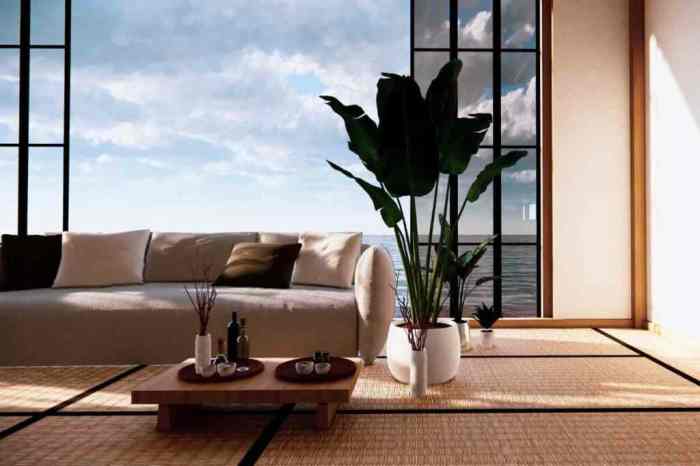
Japanese interior design, rooted in centuries-old traditions, is experiencing a vibrant resurgence in contemporary spaces. Modern designers are reinterpreting these time-honored aesthetics, infusing them with contemporary sensibilities and innovative materials. This evolution bridges the gap between traditional principles and cutting-edge design, creating uniquely layered and appealing interiors.Modern interpretations of Japanese design often emphasize minimalism, functionality, and a deep connection to nature.
The core principles of harmony, balance, and simplicity remain central, but they are expressed through a fresh lens. Contemporary materials, lighting techniques, and furniture designs provide a modern take on traditional aesthetics, resulting in spaces that are both visually striking and deeply functional.
Adapting Japanese Aesthetics
Modern designers are not merely replicating traditional Japanese aesthetics. Instead, they are drawing inspiration from the core principles of minimalism, natural materials, and the connection to nature to create contemporary spaces. They often employ these principles in new and innovative ways, such as integrating advanced lighting systems that mimic the interplay of natural light and shadow. This fusion of tradition and modernity results in interiors that feel both timeless and fresh.
Incorporating Traditional Principles
Traditional Japanese principles, such as the concept ofwabi-sabi*, which embraces imperfection and the beauty of natural aging, are increasingly incorporated into contemporary design. This is achieved through the strategic use of natural materials like bamboo, wood, and stone, creating a sense of tranquility and authenticity. The focus on creating a sense of space and a harmonious flow within the interior also remains a core element, even in modern interpretations.
Modern Design Elements
Modern design elements, such as clean lines, sleek furniture, and innovative lighting solutions, can seamlessly layer with Japanese themes. For instance, a minimalist sofa with a traditional Japanese-style low table can create a visually appealing contrast. Similarly, the use of geometric patterns in textiles or artwork can complement the inherent elegance of Japanese design, adding a contemporary touch.
Careful consideration of color palettes is also key.
Creating a Layered Modern Japanese Interior
Creating a layered modern Japanese interior requires a delicate balance between tradition and modernity. A key technique involves integrating traditional elements such as tatami mats or shoji screens into a contemporary space. Another crucial step is carefully selecting furniture with clean lines and minimal embellishments. Furthermore, strategic use of lighting, from ambient lighting to accent lighting, can significantly enhance the mood and atmosphere of the room.
Finally, incorporating natural materials like wood, bamboo, or stone brings warmth and authenticity.
Table: Traditional vs. Modern Japanese Interior Design
| Element | Traditional | Modern |
|---|---|---|
| Materials | Natural materials like wood, bamboo, paper, stone | Natural materials with contemporary finishes, incorporating metal, glass, and concrete |
| Color Palette | Earthy tones, muted colors, often reflecting nature | Earthy tones with modern accents, including pops of color for contrast |
| Furniture | Low, simple furniture, often made of natural materials | Sleek, modern furniture with clean lines, often featuring natural materials |
| Lighting | Natural light is prioritized, with minimal artificial lighting | Natural light is integrated with strategically placed ambient and accent lighting |
| Space | Emphasis on creating spacious and uncluttered areas | Space is utilized efficiently with modern storage solutions and open floor plans |
Creating a Mood Board for Layered Japanese Interior
A mood board serves as a visual representation of a design concept, capturing the essence and aesthetic of a layered Japanese interior. It’s a crucial tool for designers and homeowners to visualize the interplay of various elements and ensure a cohesive and harmonious space. This detailed mood board Artikels the key elements, colors, and materials for a layered Japanese aesthetic, enabling a clear understanding of the design vision.The mood board effectively translates abstract ideas into tangible representations.
It is a dynamic tool, allowing for adjustments and iterations throughout the design process. This particular board emphasizes the depth and sophistication of layered Japanese interiors, blending traditional elements with contemporary interpretations.
Mood Board Design
This mood board presents a layered Japanese interior concept, emphasizing the interplay of natural materials, serene color palettes, and thoughtfully curated accessories. The layered effect is achieved by juxtaposing elements that create visual depth and tactile richness.
Elements and Their Contribution to Layering
- Tatami Matting: A traditional Japanese floor covering, tatami mats contribute a sense of grounding and formality. Their muted colors and natural texture form a base layer, providing a neutral backdrop for the layering of other elements.
- Shoji Screens: These translucent paper screens, often adorned with subtle patterns, create visual divisions within the space, offering privacy and light filtration. Their subtle transparency adds a layer of visual intrigue.
- Low Seating: The inclusion of low seating, such as zabuton cushions and floor poufs, emphasizes the relaxed and intimate atmosphere characteristic of Japanese interiors. This complements the grounded tatami mat base.
- Ikebana Arrangements: The presence of carefully arranged floral displays (Ikebana) adds a layer of tranquility and artistry. The meticulously crafted arrangements create focal points, highlighting the beauty of nature within the interior space.
- Minimalist Furniture: Modern interpretations of Japanese furniture are incorporated. Simple, clean lines and natural materials like wood are featured, maintaining a sense of minimalism and enhancing the layered aesthetic.
Color Palette and Materials
The color palette centers on earthy tones, including muted grays, deep browns, and natural beige. This color palette, combined with materials such as wood, bamboo, and natural fibers, creates a calming and serene atmosphere. These materials also provide a visual connection to nature, echoing the principles of Japanese aesthetics.
Mood Board Table
| Element | Description | Contribution to Layering | Color Palette | Materials |
|---|---|---|---|---|
| Tatami Mats | Traditional Japanese floor mats | Grounding, neutral backdrop | Muted gray, beige | Rice straw, woven reeds |
| Shoji Screens | Translucent paper screens | Visual divisions, light filtration | Natural beige, subtle patterns | Paper, wood |
| Low Seating | Zabuton cushions, floor poufs | Relaxed, intimate atmosphere | Natural browns, muted greens | Cotton, wood, straw |
| Ikebana | Floral arrangements | Tranquility, artistry, focal point | Muted greens, pinks, whites | Flowers, branches, bamboo |
| Minimalist Furniture | Simple, clean lines | Maintains minimalism, enhances layering | Light wood tones, charcoal gray | Wood, bamboo |
Last Point
In conclusion, layering in Japanese interior design transcends mere aesthetics; it’s a philosophy that weaves together natural materials, thoughtful spatial arrangements, and symbolic color palettes to create a tranquil and deeply engaging environment. By understanding the interplay of these elements, one can craft a space that resonates with the essence of Japanese culture and offers a pathway to serenity.
The meticulous attention to detail and the deep respect for natural elements are central to this approach, and this exploration provides a comprehensive guide for anyone seeking to incorporate these principles into their own designs.
